

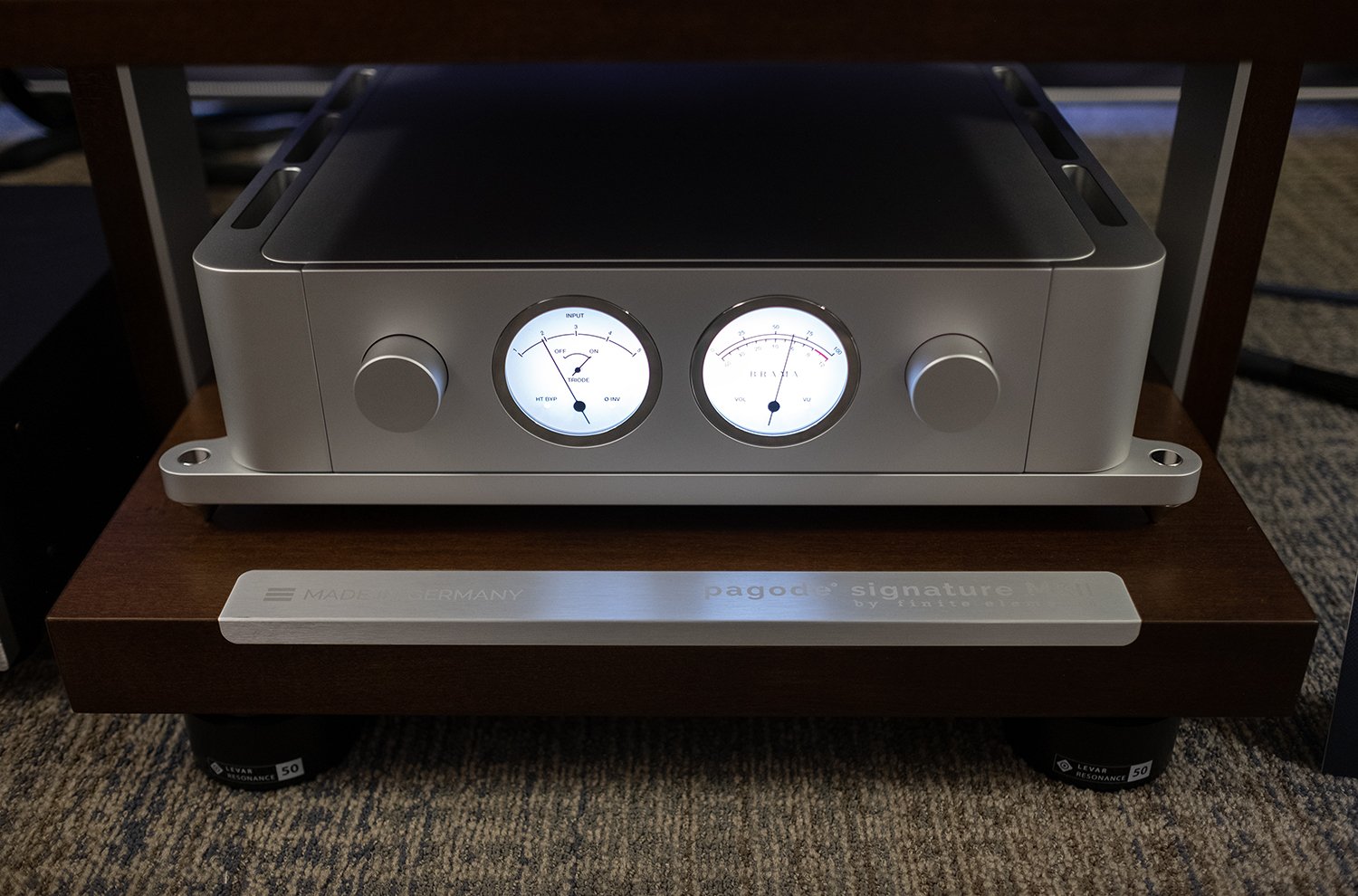
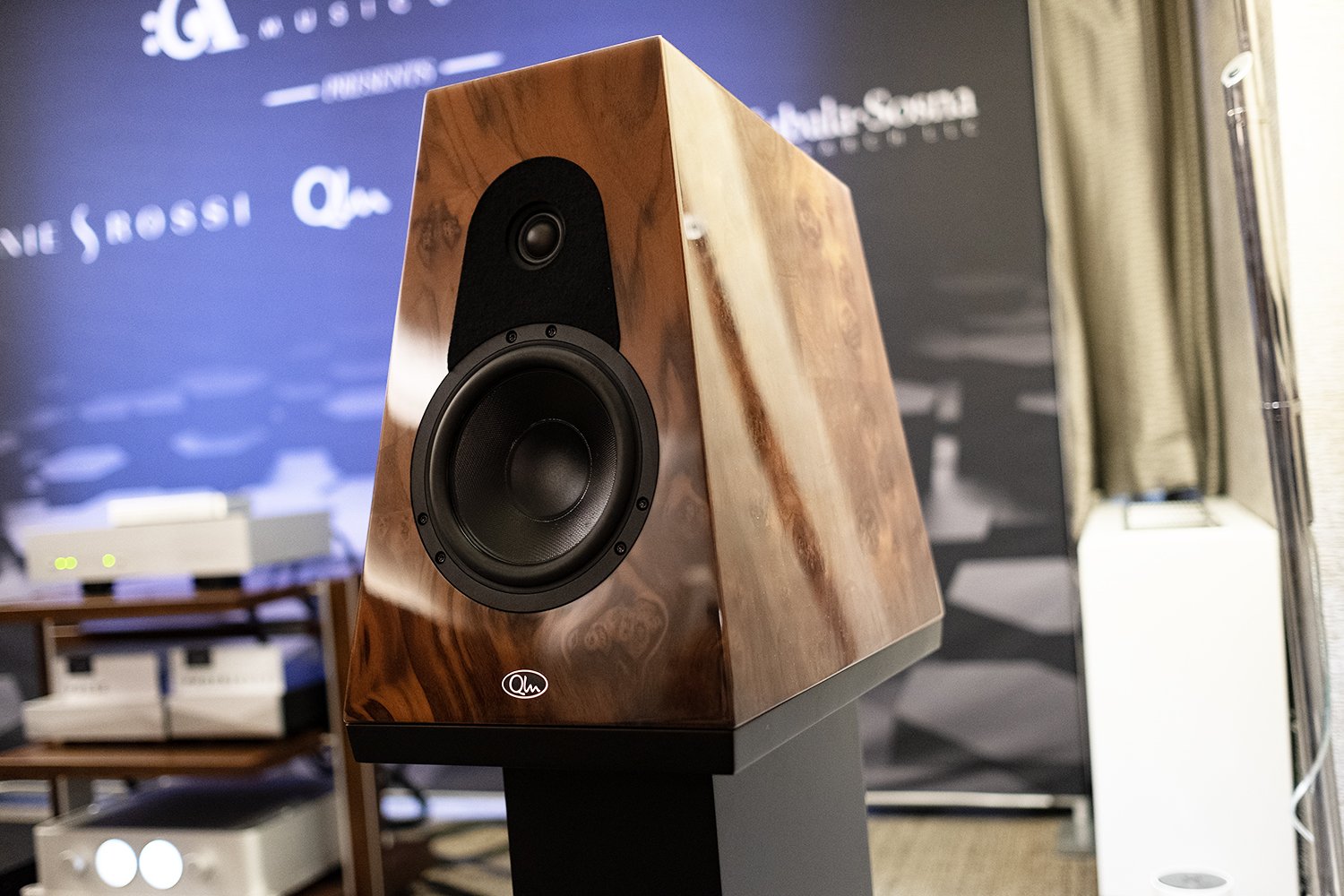
“Vinnie Rossi’s BRAMA Integrated amp lit up the Qln Signature speakers with glorious room-filling music that had not a hint of artifice while offering as much detail and rich resolution as your ears can handle. This is another system that took no effort, no adjustments, to connect to the music in play.”
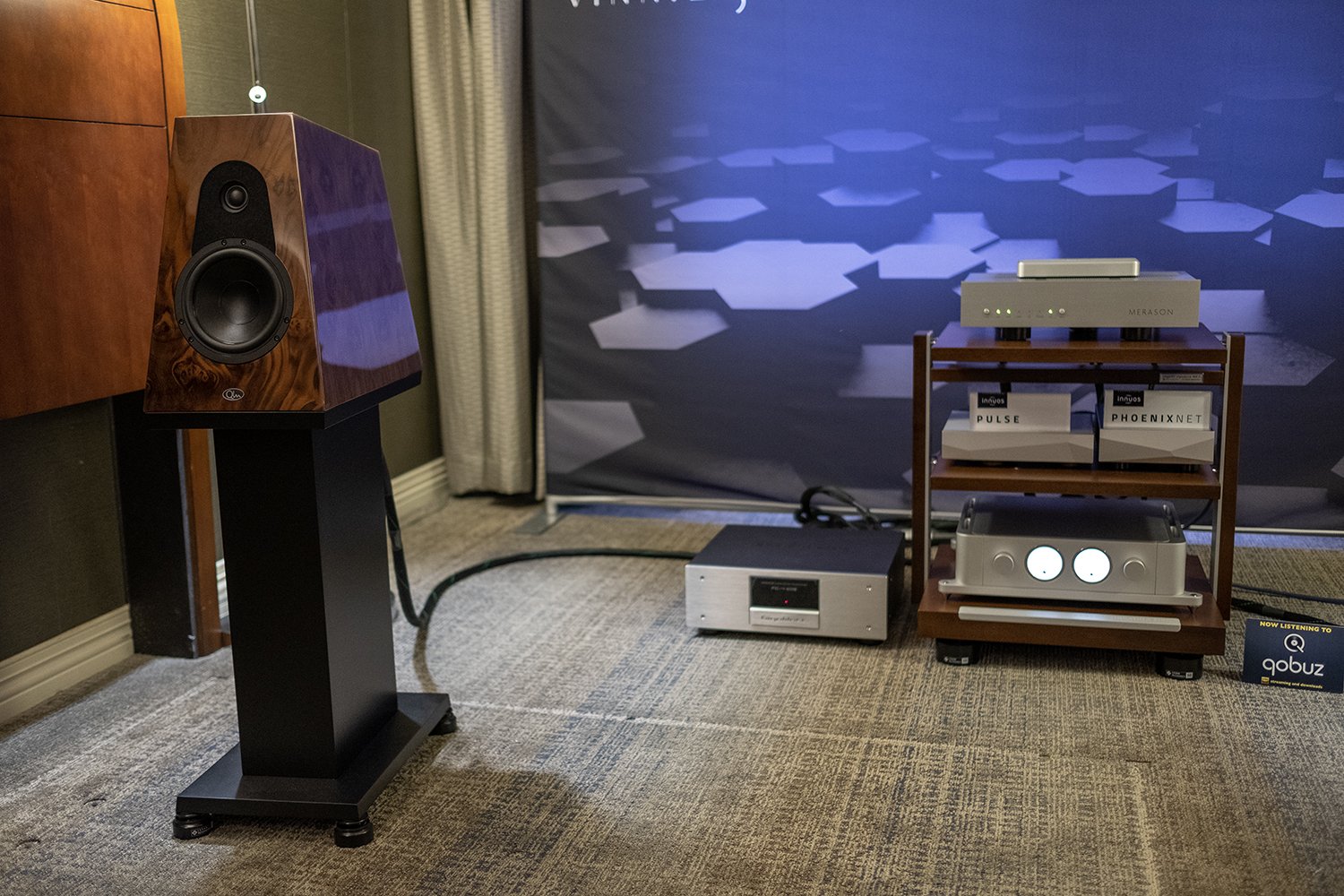
CAF 2023 Report - Twittering Machines

Capital Audio Fest 2023
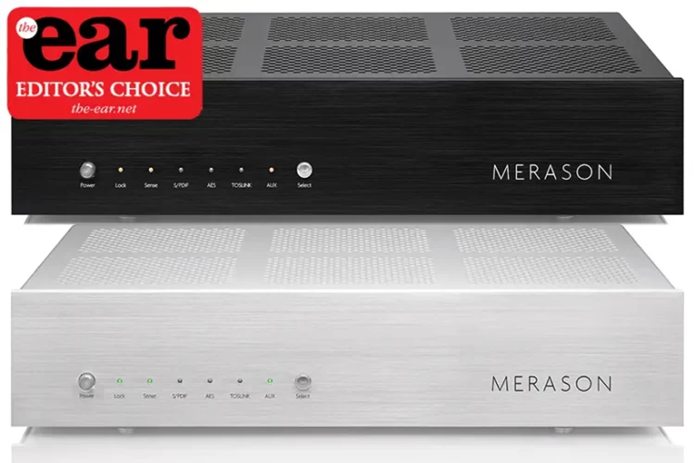
Photo courtesy of the-ear.net
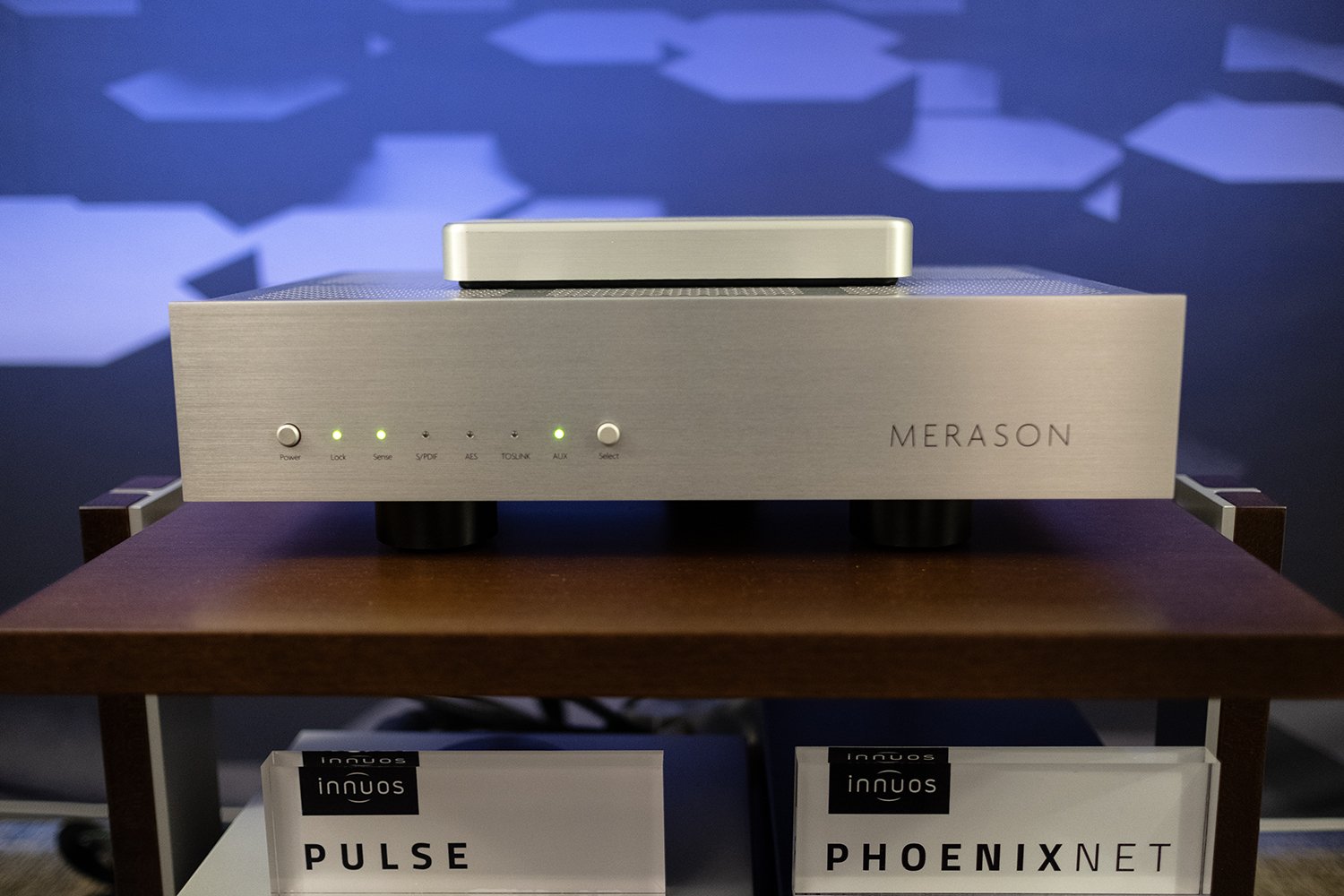
Merason DAC1 MKII review - Digital Inspiration!
“The DAC1 MkII is a more even handed and refined converter than its predecessor, you get all the magic of the music without a slightly edge of the seat experience because the new DAC1 is essentially more relaxed and background noise levels are lower. It is highly transparent and revealing while avoiding the spirit dulling neutrality found in other high end DACs, in other words it is alive to the vitality and spark of the music and delivers high resolution in a fluent and extremely engaging fashion. Truth be told I have made enquiries about purchasing a DAC1 MkII so that I can continue to enjoy it. Interestingly Merason have recently released the Reuss DAC at a lower price point and I might give that a spin before taking the plunge, if my patience holds up.”
Full review here
New Merason REUSS DAC
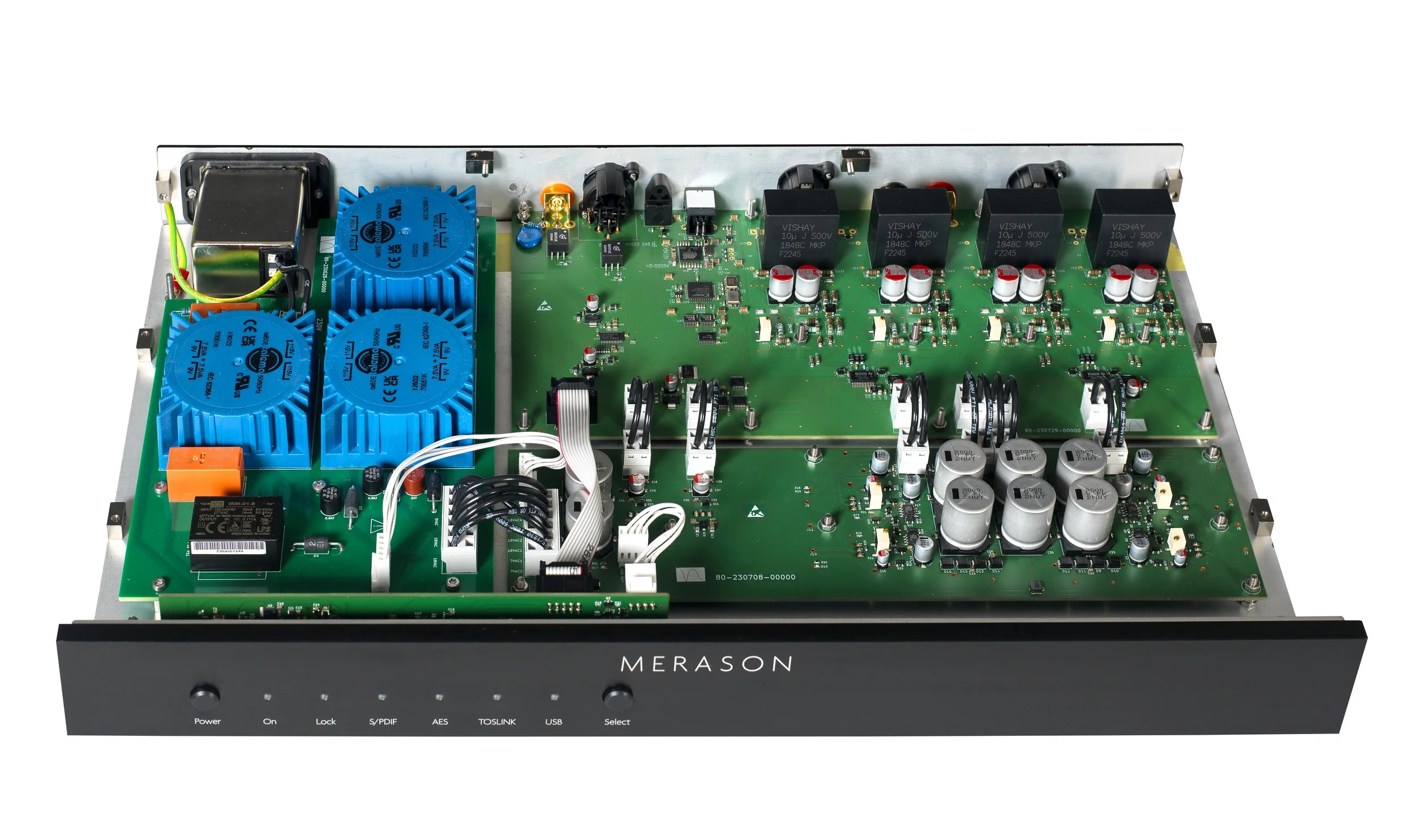
Swiss producer niedal audio lab announced today the launch of its long awaited Reuss DAC which will join Merason’s award winning converter line. CEO and brand owner Daniel Frauchiger states “I am excited about the Reuss. Our passion for music drives us each day and our new Reuss provides the purist musical quality and experience at an impressive price. A ‘must have’ for all Audiophiles”.
The new Reuss’ namesake is inspired by the famous river in Switzerland where it’s fluidity of sound merges with Merason’s DNA of “less is more” and where “the main focus is on music quality”. Following the successful DAC1 Mk II release, niedal audio lab has once again succeeded in producing a sonically outstanding digital-to-analog model at an affordable price. The Reuss’ clean and neutral timbres, rich and energetic sound, distinctively deep and wide stage with precise localization and defined bass are just some of its outstanding qualities. Available in black and silver, the Reuss has an elegant, sleek, and slim aluminum housing with a solid front panel grinded by hand.
Made in Switzerland at their manufacture in Burgdorf in accordance with strict quality processes and controls. SMD components are primarily used as in the Merason DAC1 Mk II. The printed circuit board responsible for conversion and buffering has a 6-layer construction to prevent interference from occurring in the first place.
All power elements are cooled directly via the chassis and thus remain thermally stable. Components have been meticulously selected based on their sound characteristics and measured performance with listening being the final arbiter. The proven BurrBrown PCM1794A, one per channel, is responsible for the conversion to achieve the highest dynamic range.
As with all Merason products, the circuit topology is symmetrical, i.e. there are a total of 4 independent channels. The individual power supplies have a linear structure, with three transformers responsible for supplying power to the analog and digital circuits.
The switching power supply, which is necessary for the standby mode, is completely deactivated during operation to eliminate possible interferences from the start. Available inputs are one SPDIF in RCA and in Toslink, one AES and one USB Audio Class 2.0. The dimensions are 454 x 275 x 50 mm³ and weighs 6 kg.
Price - $5,500
Merason Frerot/Pow1 review - A British Audiophile
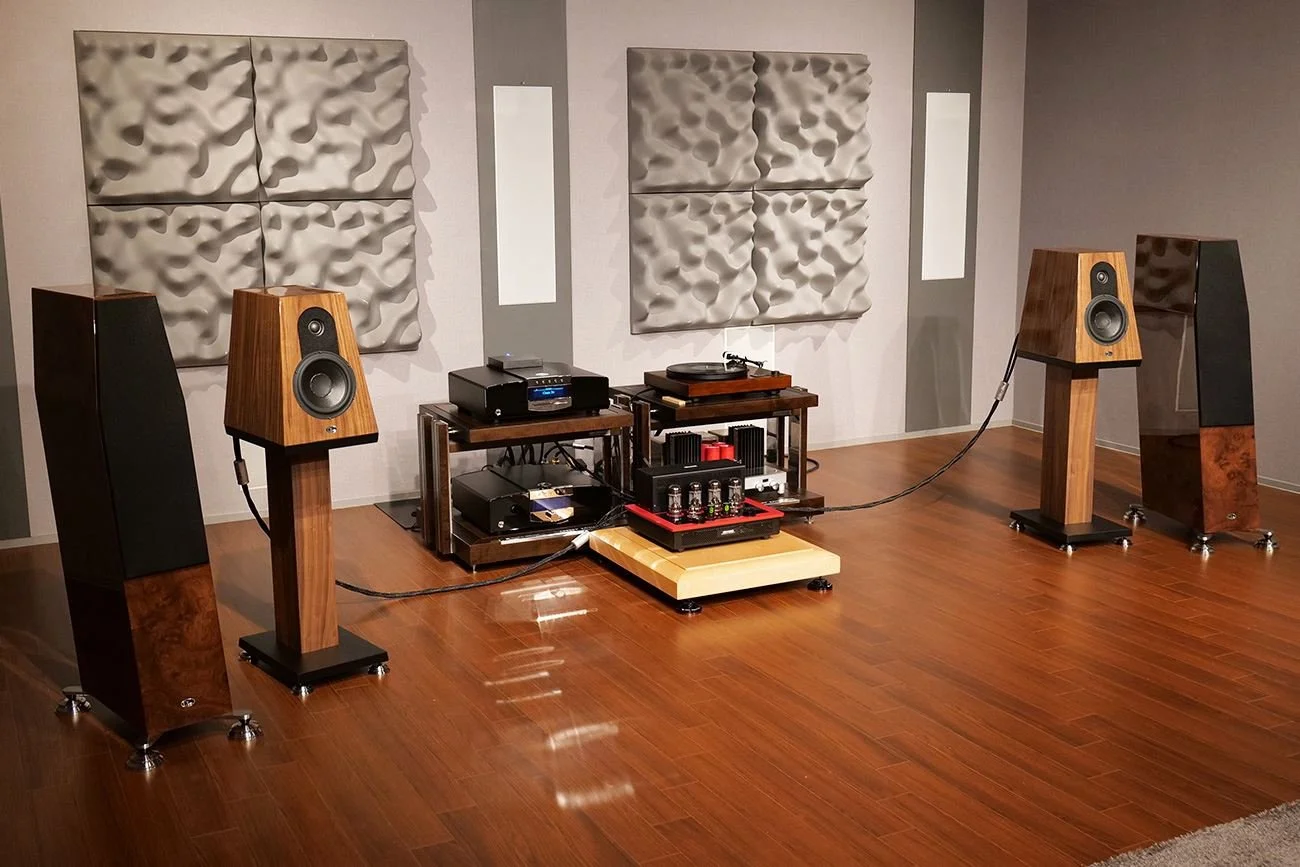
Photo courtesy of HiFiclub.co.kr
QLN Prestige 1 review - HiFi Club Korea
“Qln Prestige One. I would like to summarize that for the first time in a long time, a speaker with a wonderful tone that can properly express the full scale has appeared. Bookshelf speakers on the market tend to do quite well in the mid to high range, but there are many products on the market that are a bit unsatisfactory in the low range. I think that the prices of competitive products are a bit too much for convenience, but this product is the first product in a long time to come out in this price range that expresses the low-range scale so well that it can reproduce a fairly complete scale without any regrets. There is.
Basically, it can be said to be a speaker that has a rich, thick and attractive tone, and some say that it is a speaker that combines the strengths of Sonus Faber and Wilson Audio. It seems like he’s talking about Sonus Faber’s great tone and Wilson Audio’s resolution, but I personally think it’s an explanation I can sympathize with to some extent. Since the low-range reproduction ability is so excellent, I think it is a very suitable product for listening in a wide space with the volume turned up to a high level and the sound booming. In that respect, I think this product is an attractive product with unrivaled competitiveness.”
Full review here
QLN Prestige 1 - HiFi Plus review by Alan Sircom
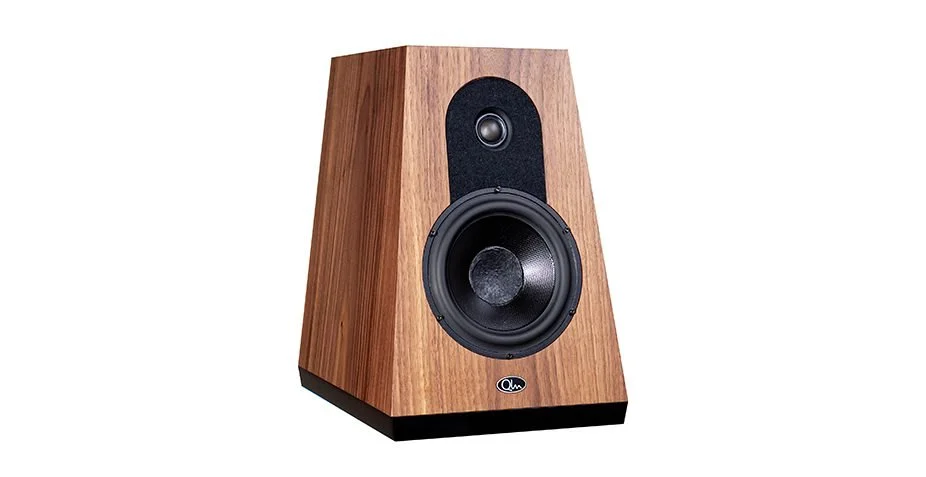
Qln Prestige One stand‑mount loudspeaker
Qln is one of those slow-burn companies that make the audio world something wonderful. Based in Gothenburg in Sweden, the company has a small but perfectly formed range of loudspeakers. Perhaps the best-known model in the range is the evergreen Qln One, which first saw the light of day at a CES in 1981 and was re‑released by the brand 40 years later. However, the Prestige One design takes the design cues and development from that original loudspeaker and runs with it.
In fact, Qln has developed three very different models from that original loudspeaker; this Prestige model, the paper-coned entry-level Qln One and the upcoming ne plus ultra Signature.
Slanted and truncated
The Prestige One is a compact stand-mount monitor-style speaker not too dissimilar in aspect and configuration to the original Wilson Audio WATT, although comparisons fade on even the most surface comparison (the original WATT has an inverted metal dome tweeter and weighed almost twice as much as the Prestige One). The slanted baffle and truncated pyramid of the Qln Prestige One harks back to the company’s original design from the early 1980s, and like that early model, this cabinet shape helps time-align woofer and tweeter, keeps most extraneous baffle effects at bay and reduces internal standing waves, thanks to its non-parallel layout. The thanks for the absence of cabinet effects is not solely the result of a good cabinet design; the cabinet material itself contributes substantially. Unlike most ‘boxes’ at this level, the Qln Prestige One uses a simplified version of its 22mm Qboard design. This is made up of a viscoelastic layer sandwiched between two layers of high-density fibreboard. This scheme was first promoted by Qln’s Mats Andersen back in 1995 and, while constrained layer damping has slowly moved into some other cabinet designs, few have as much experience with the technology as Qln, and as a consequence few loudspeaker cabinets are as free from distortion as the Prestige One.
There is also a substantial rear port on the Qln Prestige One, but the loudspeaker has minimal port ‘chuffing’ and the internal faces of the 22mm Qboard cabinet are damped with organic wool. The concern with any large rear port is not simply ‘chuff-chuff’ sounds that sing along with bass notes; it’s that so many ports act like musical cornflour; they are a thickening agent to bolster up the sound of a smaller loudspeaker by exaggerating the upper bass. To Qln’s infinite credit, this has never been a function of its designs, and the Prestige One doesn’t suffer the tell-tale bass bloom; it uses the natural roll-off of cabinet and loudspeaker driver to deliver a good, honest bass instead of an artificially boosted one.
Speaking of drive units, the Prestige One sports a Scan Speak made, Qln selected 177mm Kevlar cone mid/bass design with a copper ring in the magnet system, and a 25mm soft, textile-dome tweeter also has a copper ring in its ‘Air Circ’ magnet system, has a large roll surround and a substantial rear chamber. The two drivers have been chosen not just because they integrate together well, but because both do what Qln considers to be ‘best of breed’ attributes for their respective tasks; the woofer is optimised to deliver low intermodulation distortion and max out midrange dynamics, while the tweeter is free from reflections and resonances that are magnified in a tweeter.
Integration between the two drivers is key and the crossover is hardwired with baked air coils (my favourite kind, especially those dusted in cinnamon before baking) and polypropylene capacitors. Internal attention to detail continues in the guise of Qln making its own solid-core internal wiring; none of which is externally visible, but comes to rest in a pair of high-grade WBT plugs. There are also a matching pair of stands that come pre-assembled and are about as near mandatory as it gets!
Manual mode
The manual for the Qln Prestige One is a fine one. It relies more on ‘tell’ than ‘show’ (there aren’t many diagrams), but is informative and clearly written. It gives good instructions on placement, stand-height and run-in that are eminently sensible and free from ‘first, peel your elf’ style magic fluff.
This also proved to be an extremely forgiving and pliant loudspeaker in terms of partnering electronics. Yes, of course the better the equipment, the better the performance, and it’s probably not the kind of loudspeaker that responds well to low-power single-ended triode designs (that Kevlar driver needs some solid-state damping factor if it is to play beyond whisper quiet levels) but is otherwise extremely electronics friendly.
The Qln Prestige Ones I received had already seen some miles on the clock, so I can’t speak to their manual-recommended 50 hours to sounding good and 200-300 hours to sounding great. They sounded great right out of the box. And ‘great’ in this context translates to ‘being extremely impressed by the precision and depth to the bass.’ The important word in that sentence was ‘precision’; the Prestige One has a tidy, ordered and precise bass. There is good depth (especially in a small room) that belies the claimed -3dB point at 42Hz, and I suspect this is due to a clean and fundamentally honest bass performance without any blooms, booms or thickening along the way. As something of a tribute to the sad passing of Maxi Jazz, I felt compelled to play ‘Insomnia’ by Faithless [Reverence, Cheeky] with that drop and Sister Bliss’ epic riff followed by some extremely deep dance beats. These bass notes can thunder and wobble where they should simply ‘boom’, and the Prestige One does ‘boom’ very well indeed. It also gets close to nailing the Trentemøller test [‘Chameleon’, The Last Resort, Poker Flat], which has successive deep, almost square-wave notes that choke up any port. The Qln Prestige One falls into that rare group of ported speakers where the degree of congestion is extremely low. All signs of an extremely well-engineered loudspeaker.
The fun doesn’t stop with the bass notes, and is not limited to electronica. As you move up the frequency range, the same precision and control apply and it’s here I have to be mindful not to damn the product with faint praise. Precision and control could be read as euphemisms for an undynamic or boring sound and it’s absolutely neither of those things. In fact, if anything, the Prestige One is one of the most dynamic-sounding stand-mounts in its class. It’s an exciting performer too. However, that precision and control means it’s only exciting when the music is exciting, and its as dynamic as the music you play through the speaker. This is a good thing, as loudspeakers are often either easily impressed by music (and therefore prone to over-exuberance) or dour and over-damped. The Qln Prestige One is one of the few that sits squarely in the middle; letting the music flow without constraint or adding its own fingerprint. This is the easiest part to hear in the Qln’s performance because so many recordings occupy this midrange; Bob Dylan’s voice, for example, springs out against the rest of the band on ‘Hurricane’ [Desire, CBS]. It’s always distinct and as articulate as Dylan’s nasal vocal gets, but here it occupies the song, making the intensity of the lyrics all the more poignant.
Dylan’s voice does highlight perhaps the only mild shortcoming of the Prestige One; the upper end of his adenoidal voice can get a bit too nasal at times. Not ‘strident’ or even ‘hot’… but maybe ‘warmer’. However, that aside, what applies at the lows and mids, also applies to the treble, which is effortless and never peaky, whatever the music played. And the whole package creates an extremely good soundstage too. But, I think what really shines with the Prestige Ones is that ‘whole package’ part; a reviewer’s job is to tease apart the performance of a product, and that is something the Qln Prestige One singularly fails to allow; you are listening to coherent, cogent music at all times, and while a reviewer needs to be drawn into discussions about aspects of the loudspeaker’s performance, the whole really is so much more than the sum of the parts.
Top performer
Given Qln’s heritage, I was expecting something good, and I wasn’t disappointed. However, I wasn’t expecting something this good. The top-end two-way stand-mount world is a heavily contended one, with players big and small wanting to make everything from an upscale book-shelf model to a full-blown studio monitor. As such, it’s difficult for any loudspeaker to carve its own niche. But, I don’t think Qln has that problem; the sound is so intrinsically ‘right’ and ‘enjoyable’ and that holds whatever music you play through the Prestige One. Put simply, if you like music, you’ll love the Qln Prestige One!
Technical specifications
Type two-way full-range rear-ported stand-mount loudspeaker
Drivers 25mm wide surround, AirCirc magnet, soft dome tweeter; 177mm Kevlar cone woofer
Sensitivity 87 dB SPL 1 Watt 1m, 100–10kHz
Low frequency performance -3dB at 42Hz
Impedance 8 ohms
Amplifier requirements 25–250 Watt RMS
Standard finishes Walnut Piano, Walnut Matte, White matte
Dimensions (H×W×D) 390 × 265 × 372mm
Weight 14 kg each
Merason DAC1 MKII review - HIFI-IFAS.DE
By a happy coincidence, Daniel Frauchiger was introduced to us in 2018, who with his company niedal audio lab had invented a digital/analogue converter under the brand name PURSON and brought it to the market for music lovers. We hi-fi IFAs seized the opportunity and were the first magazine to take a close look at the wonderfully musical high-end converter DAC1 – as its catchy name goes – and immediately took it to our hearts. It was nice to see that we were not alone in our assessment.
For the nationwide market launch in 2019, niedal changed the brand name to MERASON, and in 2022 the housing was revised with a facelift. At the beginning of 2023, the ambitious Swiss also added technology and presented the MERASON DAC1 Mk II in almost the same guise, but with a technically careful revision, for which Daniel took a year and a half. The adjustment of the price to around 8,000 euros was significantly different from the around 5,000 euros of the predecessor. We are all the more excited about the impressions of the latest work from the high-end manufacturer from the Bern region in our listening room and are taking a close look at the high-end Mark Two for you.
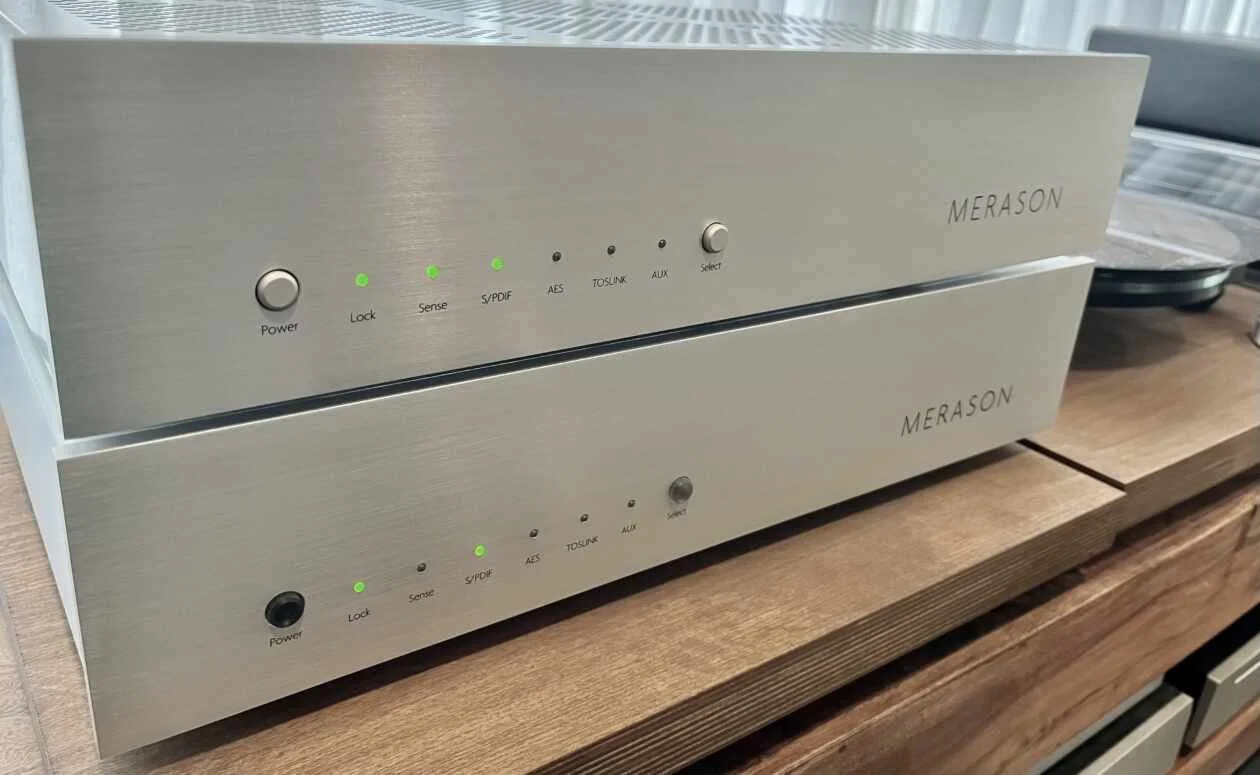
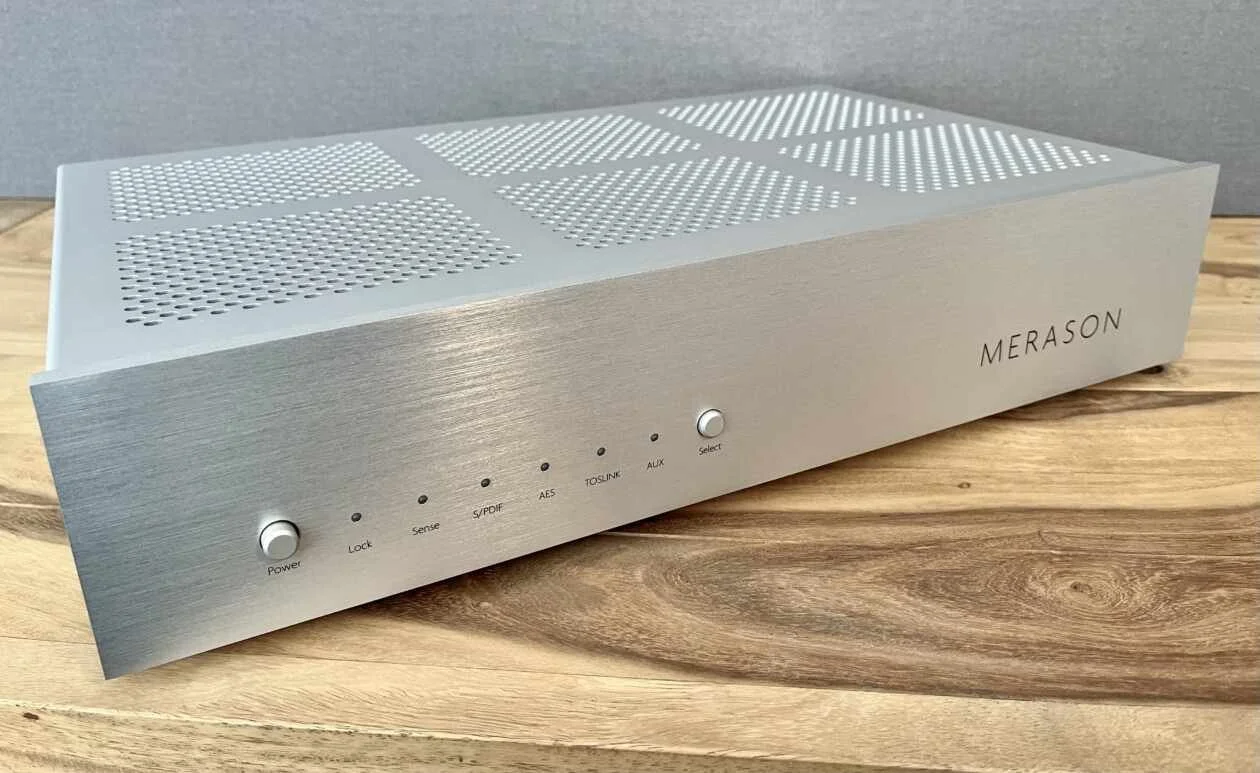
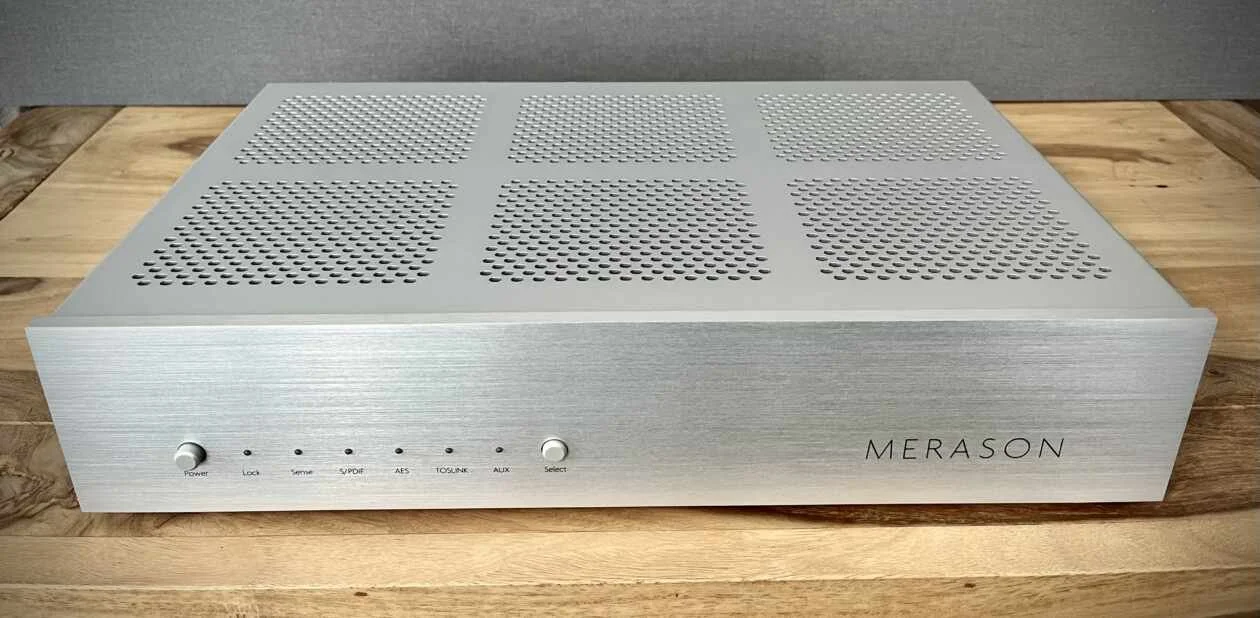
For the listening impression at home, the Rhinelanders also offer such test packages on their website for prospective buyers. So I can feel like a customer who takes the carefully packed DAC1 Mk II out of the transport box, makes initial contact and sets up the silver-colored device. The facelifted MERASON DAC1 of the first generation is already waiting in my hi-fi rack – also in silver. As expected, the two are like twins, because last year, as I already mentioned, MERASON introduced a new housing for the first generation DAC1, which is significantly more stable than that of the original version, that we tested in 2018. In this context, MERASON replaced the ventilation grilles with ventilation holes in the stiffer sheet metal. In addition, the front panels, which were made of extravagant white and black Plexiglas in the first edition, are now available in classic, chic, brushed aluminum in the colors silver, black and cider. The color of the front is also continued on the case.
At the High End 2023 in Munich, I asked Daniel why he hadn't changed the design of the cover of the successor model - like many competitors do. You can hardly tell the difference. His answer: "Why? The buttons are now silver and made of solid aluminum and no longer made of plexiglass.” Oh right. This is a bit reminiscent of the calm facelift strategy that watch fans of a certain Swiss watch brand appreciateOnly the Swiss with their special understatement can make a successor model with an additional price of around 50% visible on the market with only two silver buttons. Anyone who knows Daniel Frauchiger is not surprised. In his pragmatic way, he wants to convince the music lover with the core competence of a hi-fi device: the sound and not with any kind of chichi. Completely without vanities. And clean workmanship is a matter of honor, as with the predecessor, despite all objectivity.

The interested MERASON fan may now ask himself: What actually happens with the gap of around six and a half thousand euros between the entry-level model Frérot , which can be upgraded with the power supply unit pow1 , and the top model DAC1 Mk II? During the conversation, Daniel told me that he had another arrow in his quiver. Code name: Reuss . This digital/analogue converter will probably close the gap in the middle this year.
But this is about the DAC1 Mk II. In the listening room, I stack the two Swiss DACs and plug the cables. This is easy to do as the connector panel is practically identical. I digitally connect the NuPrime Stream9 via cinch via the MUTEC MC3+ USB Reclocker and MUTEC cable and via USB the LUMIN U1 mini via the innuos PhoenixUSB Reclocker via Boaacoustic Silver Digital Xeno USB cable – you want to be able to choose . The source for both players is the Internet or the innuos ZENith mk3 music server. Since all the cables from the predecessor below, including the power and analog XLR cable to the preamplifier, were already on the device, the DAC1 Mk II was, to my delight, ready to play about five minutes after opening the plastic box of the test package. It starts when you press the cylindrical, hard-separating power button - which is practical because you don't have to reach behind the device to save power.
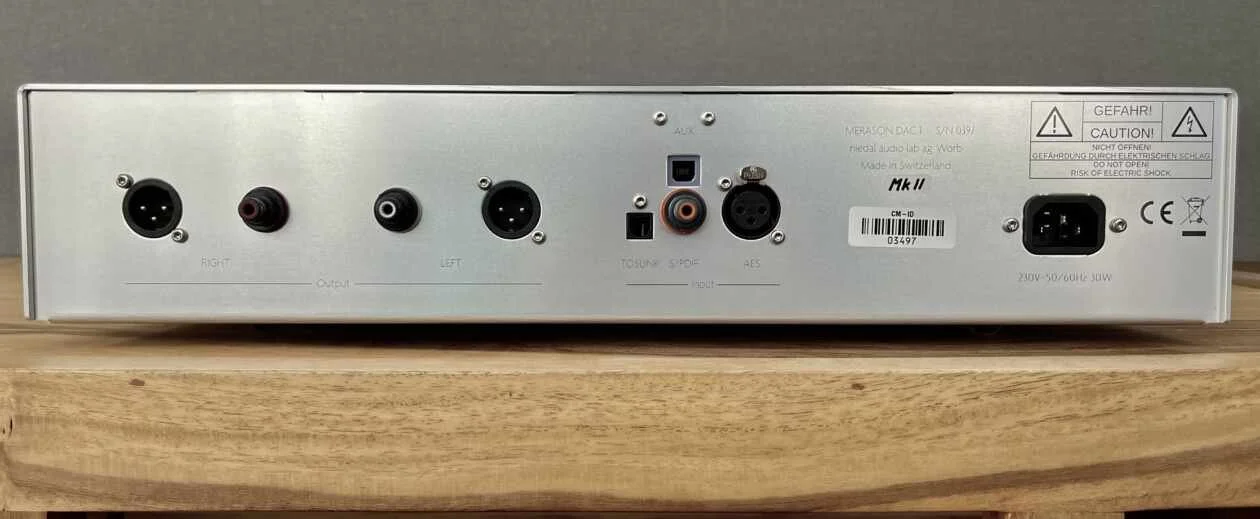
The MERASON DAC1 Mk II also has a USB-B, a coaxial cinch, an optical TOSLINK and an AES/EBU digital input, which are switched through via a button (SELECT) on the front. Six green LEDs on the front indicate the status: four alternately the selected input, one an active, connected device (LINK) and another an active USB port (SENSE).
The USB input is based on Amanero technology, two precise oscillators in this setup should receive and pass on a music signal with little jitter. This is supported by capacitively working isolator modules, which ensure galvanic isolation. At the other inputs, the incoming signals are electrically isolated and jitter is suppressed by means of transformers. The aim of this is to keep external interference away from the sensitive signal.
As in the predecessor, the digital-to-analog conversion of the signal is carried out using two Burr Brown 1794A converter modules, each with two DAC channels. Using a separate chip for each channel increases the dynamic range by 5 dB. The 1794A is a proven converter chip that has been on the market for some time. He specializes in PCM and converts it up to 192kHz and 24bit. For comparison: Modern chips support PCM up to 384kHz and 32bit and also offer DSD and MQA conversion. The owner of the MERASON has to do without that. Why? Because the 1794A, Daniel Frauchiger is convinced, simply sounds wonderful and the digital playback for the vast majority of music fans takes place in exactly the bandwidth up to 192kHz/24bit. The widespread CD format is known to be 44, 1kHz and 16bit and many professional devices, for example, process digital signals internally at 96kHz. The question of the technical necessity of certain formats has to be answered by each prospective customer himself and is one thing, the other is the resulting sound, which cannot be measured in kilohertz and bits.
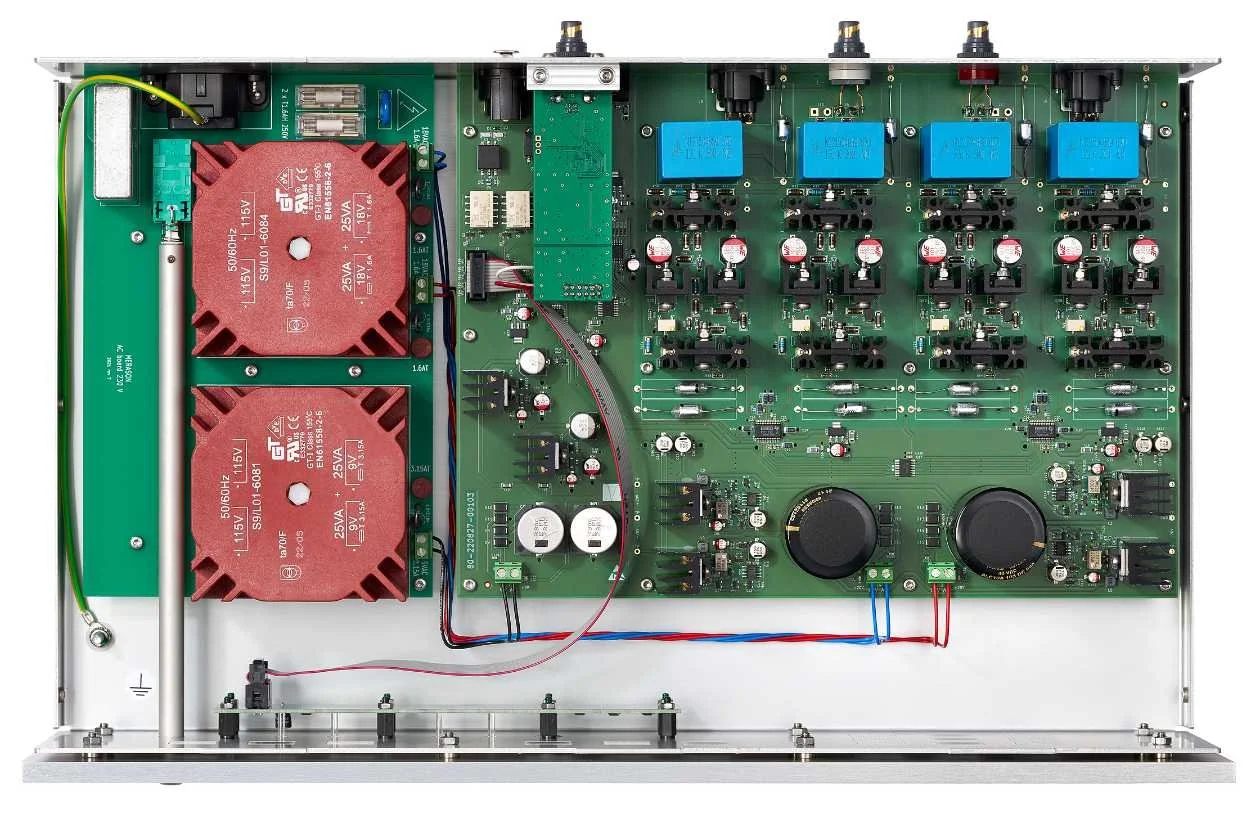
In every D/A converter - just like the conversion itself - the careful processing of the analog output signal after the chips is of fundamental importance. In the DAC1 Mk II, the resulting analog current signal is converted into a voltage signal in a discrete structure. Class A technology is used to buffer it before it is sent to the device output. The structure is fully symmetrical, so that in the case of a stereo signal, four independent channels (right and left each normal and inverted) are routed from the two converter modules to the output.
Each functional unit has its own power supply, of which there are twelve in all. The focus is on the two output channels, each of which is powered by a separate linear supply with an oversized transformer. When developing the Mk II, Daniel Frauchiger not only relied on electrotechnical theory, but also on extensive and intensive sessions with experienced listeners. All components and circuit variants as well as different layouts were thoroughly examined with regard to their influence on the sound. Capacitors, voltage regulators, converter components, transistors, resistors, signal processing, I/V converters and output stages are representative.
When it comes to manufacturing his treasure, Daniel relies on "Made in Switzerland". The housing, the front panel and control buttons as well as the printing, component assembly, assembly, commissioning and control are carried out exclusively in Switzerland.
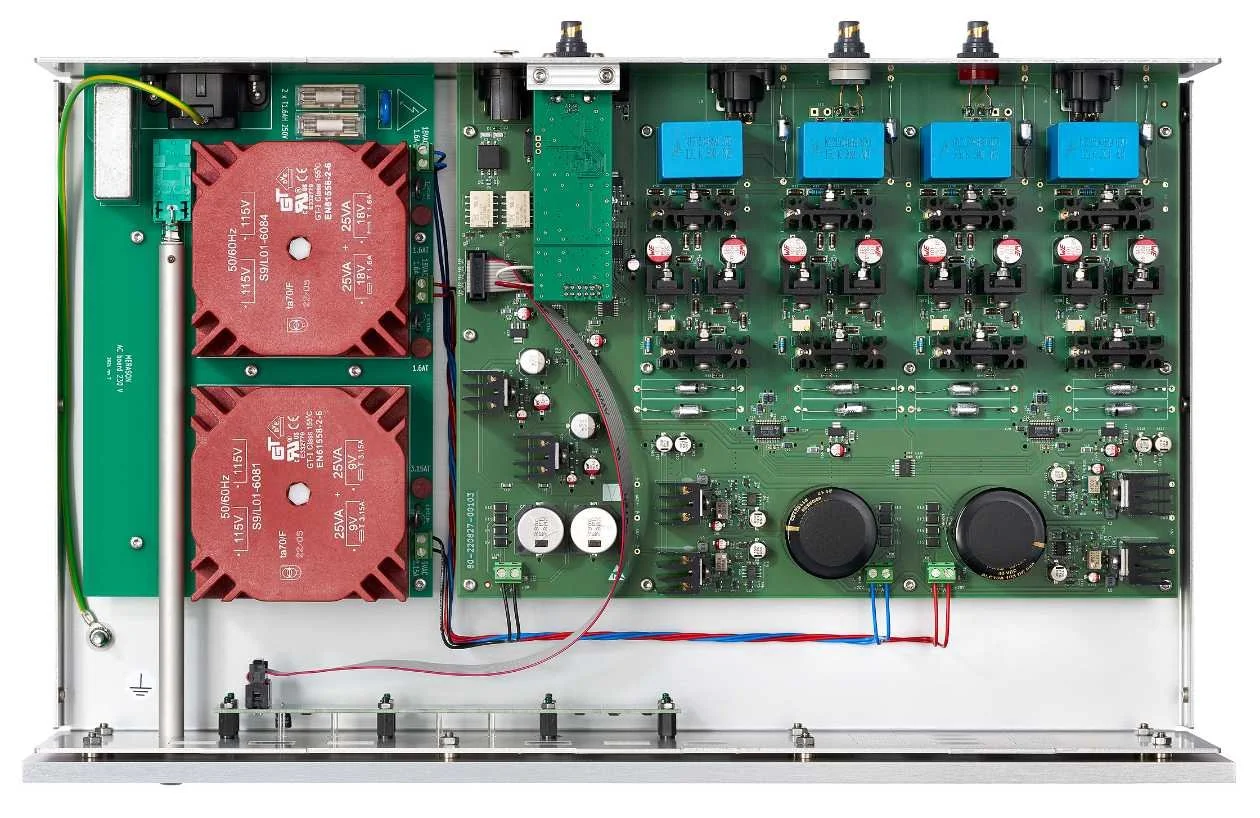
So much for the theory, which can also be read on the manufacturer's website. During the conversation, Daniel told me his motivation for developing the Mk II and I got the obvious answer that he simply wanted to make the DAC1, which he put a lot of heart and soul into, even better. The project took about a year and a half.
Daniel summarizes the main modifications of the Mk II as follows. Modified are the significantly more complex and expensive main print with six instead of two layers, a thoroughly revised layout and, above all, the routing has been changed to minimize signal paths. In the Mk II, more and more SMD components are used because, according to MERASON's experience, they ensure a better sound in this constellation. With the new layout comes the use of polystyrene capacitors for the low-pass filter. The power transistors are mounted in pairs on the heat sinks with disc springs, which guarantee a clearly defined contact pressure. All this is accompanied by many detailed improvements that have found their way into the Mk II with a lot of time and patience.
Technical data
Digital inputs (one each):
USB-B, Cinch (unbalanced), Toslink (optical) and AES/EBU (balanced)Outputs: 1 pair of RCA (unbalanced), 1 pair of XLR (balanced)
Output voltage: max. 1.5 V RMS (unbalanced), max. 3 V RMS (balanced)
Construction output: discrete structure
Frequency: 20Hz to 20kHz +/- 0.3dB
Crest Factor/Distortion Factor (THD+N): < 0.006%
Signal to noise ratio (SNR): > 120 dB
DAC: two BurrBrown 1794A, discrete I/V stage
Power supply: 230V AC/50 to 60 Hz, 30 W
Audio formats
44.1kHz@16bit / 24bit
48kHz@16bit / 24bit
88.2kHz@24bit
96kHz@24bit
176.4kHz@24bit (USB)
192kHz@24bit
sound
To start the listening session, I go back to the very first track that I heard after unpacking and connecting the MERASON DAC1 Mk II. The spontaneous first impression emphatically burned itself into my mind. On a whim I chose the Red Hot Chili Peppers with their recent album Return Of The Dream Canteen out of. With a tap of your finger in the NuPrime app, the RHCP can get off to a flying start with “Tippa My Tongue”. The drum roll at the beginning appears, accompanied by the funky bass, well dosed on the loudspeaker stage. The little witty but not surprising "ya-ya-ya-yaya" of the choral voices enters there - and then the electric bass kicks off really crisply. The impulsiveness that the DAC1 Mk II gives to this passage grabs me. It's clear to me that the piece is hearty, but here the Swiss DAC gives the piece a special touch.
This continues in title 2 "Peace And Love" almost even more impressively. The bass drum hits as hard as it can - but not just fat, but the Mark Two gives the impression of the skin stretched over the shell, which is being worked on by the drumstick of the foot pedal. The whole thing appears between the speakers in a plausible size. Then again the funky bass. Wow. I have the feeling that the electronics are getting the best out of the Diapason Adamantes V. Although the rhythm section already dynamically challenges the speaker, the voice of frontman Anthony Kiedis sounds just as natural and full of character as it does live on stage.
This becomes even clearer with the follow-up title “Reach Out”, which starts more calmly and illuminates the voice even better. The pronunciation of the words is wonderfully traced, with the singer seeming to lisp the "s" slightly. The Mk II reproduces this in a completely calm manner without overemphasizing it. After the recitative it starts. Anthony Kiedis shouts out what he has to say or sing, the guitars scream, the shooting gallery fires whatever they can and the stage seems to descend into chaos. The MERASON DAC1 Mk II doesn't mind the boys - okay, they're also around sixty now - and sorts it all out with great composure. The image remains stable and stretches seamlessly between and around the loudspeakers. And, very important, all this happens without annoying tonal inconsistencies. great too, how the D/A converter brings out the funky guitar in "Fake As Fu@k" or "Bella", transfers the power of the drums and puts the voice in the center of the action. Rarely heard a studio recording that sounds so vital and live. RHCP at its best.
And while we're on the subject of live, stylistically I make a clear shift to Kari Bremnes' phenomenal concert album Reise. A personal experience still impresses me when I was allowed to sit in the third row directly in front of Helge Norbakken's drum set and watch him work. Therefore, my favorite track on this album is “Sovngjengersken” (Sleepwalker), which features a brilliant solo from the drummer. The song starts again with a stage that stretches far in front of me and in which the charismatic voice of Kari Bremnes, which always seems a bit lost, is wonderfully embedded. And then the Norwegian drummer, who until then had been doing his duty in the musical scene, really took off. bam! As if he would push his implement a meter towards me and fill the room. He bangs his drums like there's no tomorrow.
As with RHCP, all of this acquires a power that does not displace the objectivity of the instrument. The MERASON DAC1 Mk II finely works out the body of the large drums, the ringing of the skin, reproduces the smaller, hard-tensioned drums impulsively in attack and tightly in the decay, giving the impression that drumsticks are at work here. All of this is mixed with the wonderful sense of rhythm and tension in the music, which is made by a human and not created in a computer. You can also hear Helge Norbakken's hissing, which probably substitutes for the hihats in the rhythm section. The man only has two hands and two feet. I feel like I was in row three again.
The following “A Riddle Beside Another Riddle” is quieter. Here comes the hour of the singer from Lofoten again. The stage belongs to her voice, to which the mk2 sensitively mixes Bengt E. Hanssen's singing in the chorus, which is easily differentiated. Before my eyes and ears there is a correct balance between the electric piano - the Mark Two leaves no doubt that it is one -, the drums and the vocals stepping half a step forward. Just like the overall musical events take place confidently in a nice width, height and depth in the loudspeaker level. So it neither imposes itself nor withdraws shamefully. This is also the case with the more dramatic "Skriek", which is inspired by Edvard Munch's painting. The song is already very demanding at its climax with the distorted guitar, but is repeatedly contrasted by the forgiving voice of Kari Bremne and then erupts in the brilliant finale. The MERASON DAC1 Mk II does its part with a steady hand.
A quick jump to Tori Amos' album The Beekeeper shows with the first track "Parasol" that the DAC1 Mk II has not bought the gain in dynamics, which can be easily understood in the bass, with a loss in musicality. The album is quite voluminous, but the D/A converter transports a lot of charm through the singing of the American singer-songwriter. Great is “The Power Of Orange Knickers” which features Damien Rice as a duet. I think I see both of them standing at a microphone in front of me. "Winter" from the album Tales Of A Librarian can also be experienced in a new way, which reveals new facets. "When you're gonna make up your mind, when you're gonna love you as much as I do. When you're gonna make up your mind, 'cause things are gonna change so almost...'. Tori Amos doesn't just sing these lines, he celebrates them. Even if the recording is certainly not the best, the intense performance touches the listener.
Actually, everything has already been said that, in my opinion, makes the MERASON DAC1 Mk II stand out and that can be applied to practically any genre of music. The dynamics in the fine and in the rough, when it matters; the gripping and at the same time the feeling for musical flow - mixed with an authentic spatial representation. At the end I would like to understand all this again in a smaller cast. My choice falls on the Lisa Bassenge Trio from Berlin, on my favorite album Three from 2004, which has accompanied me through half my hi-fi life. I find the cover alone incredibly likeable.
The Swiss high-end D/A converter cleverly manages to put a bracket around the three protagonists - vocals, piano and double bass - and the guest musicians on the Berlin's third longplayer, but at the same time leaves everyone enough freedom to listen to the easily share the stage. This atmosphere forms a good basis for the youthful, self-confident voice of the then 30-year-old Lisa Bassenge. The Mk II gives her a pleasing presence and positioning. The opening track "I got you" is a good starting point, as it is a surprising reinterpretation of James Brown's catchy tune "I feel good". The singing of Lisa Bassenge of thoughtful sensuality, accompanied by the gnarly double bass, whose strings like to hit the fretboard and the casually accompanying piano, livens up the Mk II atmospherically.
"Everything I Love" shines with a wonderfully casual brush on the drums and a pearly piano sound and catapults me to one of the capital's jazz clubs at once. But actually, I admit it, I only wanted to end the listening session with "We make music", which Lisa Bassenge recorded together with the unforgettable Ilse Werner. The old lady's singing is so touching, her whistling is so familiar – at least to those of us with experience of life – and Lisa Bassenge's voice is so refreshing that it's a joy. In addition, hardly any other title can describe the character of the MERASON DAC1 Mk II more aptly: it makes music.

Daniel Frauchiger has conscientiously further developed his highly acclaimed debut, the MERASON DAC1. Modest as he is, he added a simple Mk II to the name and only minimally revised the functional and chic case, as is otherwise known from the model update of Swiss luxury watches. But please don't let the looks fool you! With the DAC1 Mk II, which now costs around 8,000 euros, the music plays inside. A lot has happened there, which as a result makes the heart of the music fan beat faster. The high-end digital/analogue converter captivates the listener with impulsiveness and sensitivity at the same time from the very first beat. The dynamic and joy of playing takes the listener along without the musicality of the predecessor suffering - no, it is even more vitalized by it. He presents these character traits with an authentic three-dimensionality. The MERASON DAC1 Mk II, which specializes in PCM signals up to 192kHz/24bit, is musically worth every single cent, because it offers the finest enjoyment and creates an atmosphere at the fair of vanity that music lovers don't want to leave again enter it first. Equipped with these merits, it replaces its predecessor as a reference in the listening room.
Full review link can be found here
AXPONA 2023 Show Reports
Parttime Audiophile
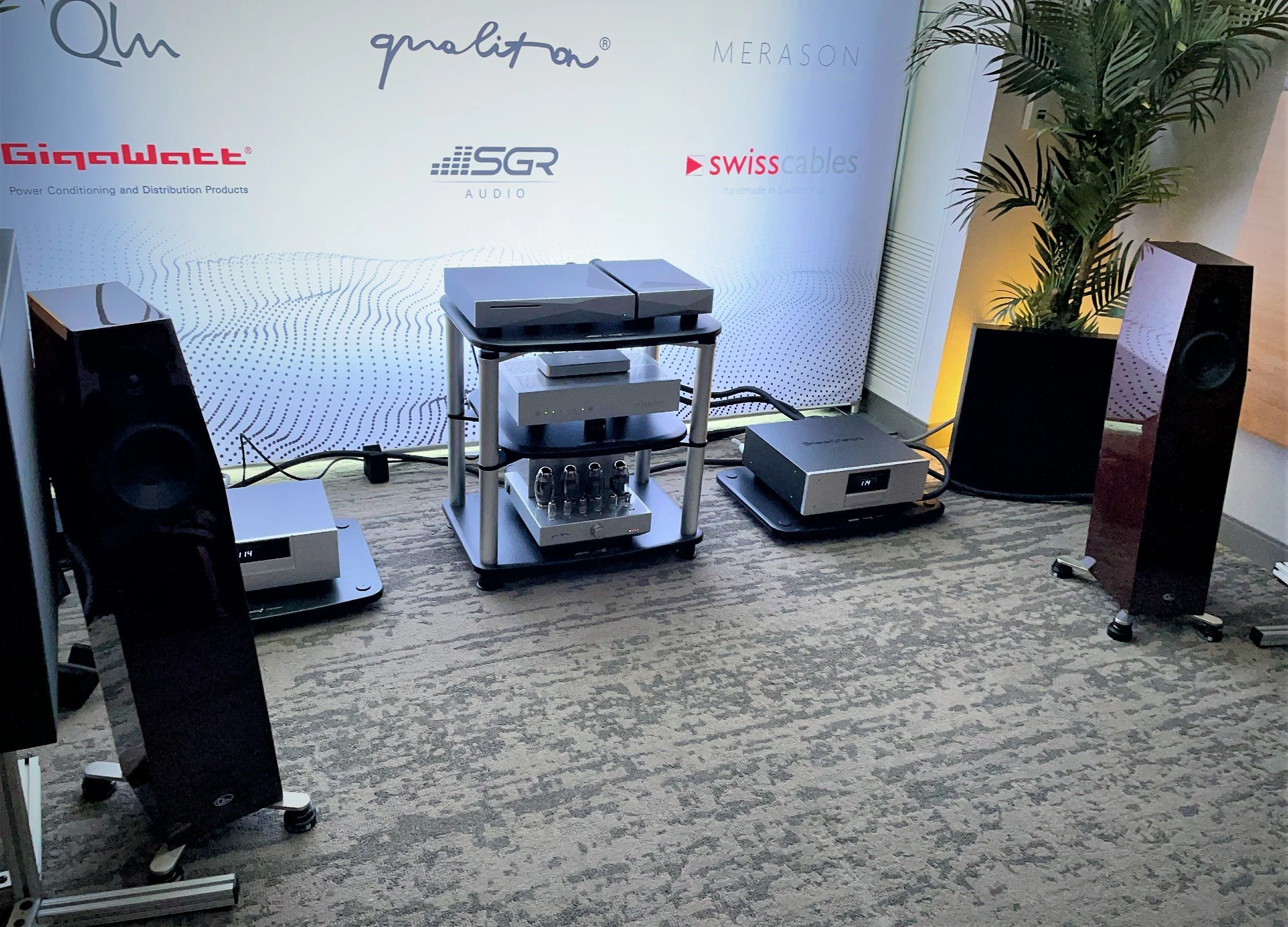
Photo courtesy of Part Time Audiophile
“How did the Qln Prestige 3s perform with “Chocolate Chip Trip”? Actually, I totally dug it, so much so that I decided to create a new category in CCT testing, and the Qln Prestige 3s are currently the two-way Chocolate Chip Trip champions.”
Full report here
AUDIOBACON
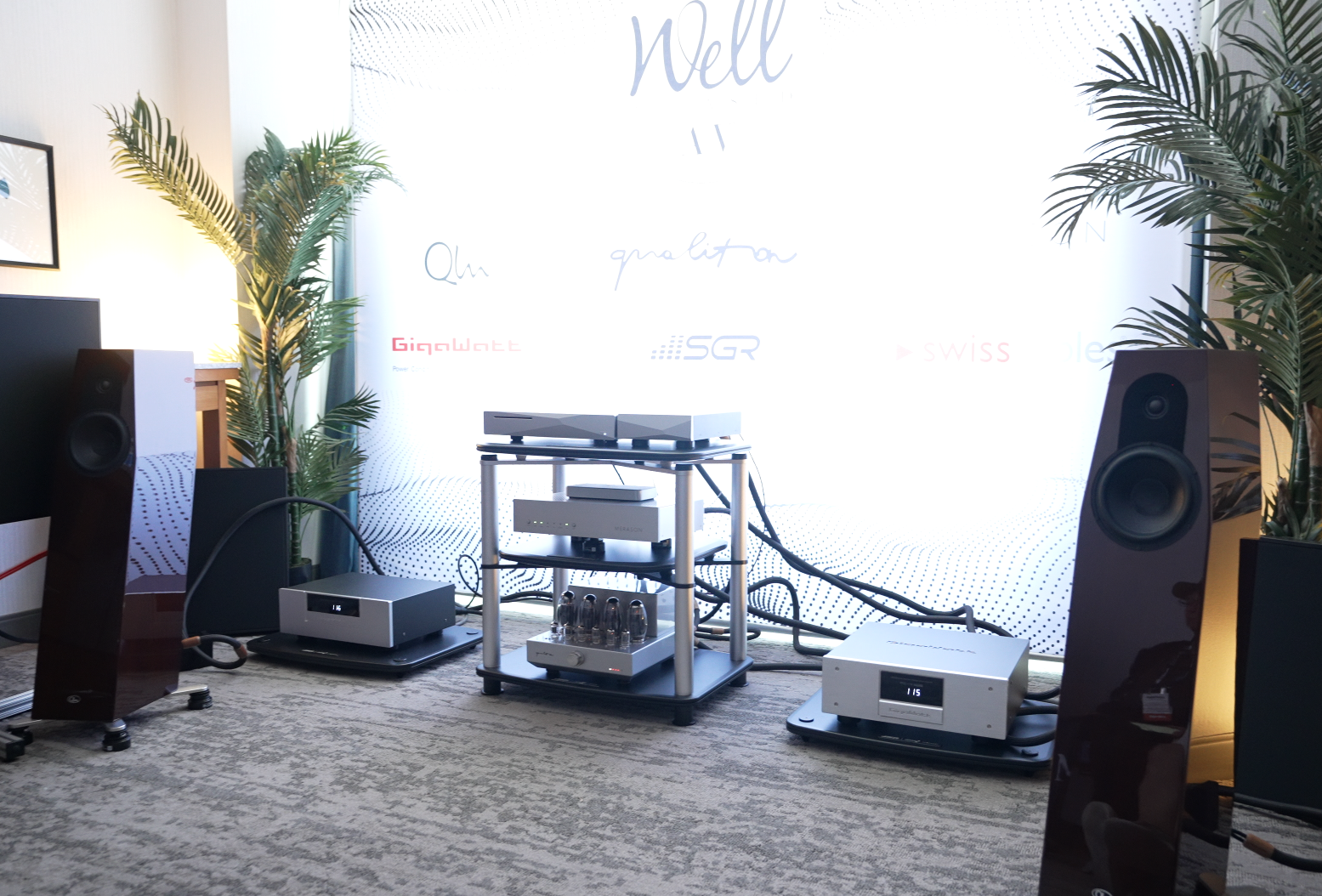
Photo courtesy of Audiobacon
“I’ve got to admit, the high-end “value” contenders were tougher to find. But this room stood out as one of the top experiences for me. I’ve observed that whenever a Qln loudspeaker is part of the setup, I just can’t resist spending some extra time there. It’s no wonder that Well Pleased AV took home Best of Show at THE SHOW 2022 with their Qln bookshelf and Nagra electronics – this system was extraordinary.
As Victor Wooten’s “Miller Time” began, I was instantly struck by the exceptional musicality. The sound was rich, cohesive, and downright funky – I found myself nodding my head and tapping my feet, just jamming to the beat. Every instrument was a treat to listen to, from the bass and electric guitar to the keyboard and drums. The kicks had a authoritative and punchy quality, never overshadowing the other elements, while the string resonances were perfectly timed with just the right amount of decay in the room.
What truly brought the live performance to life were the authentic cheers and whistles from the audience, particularly at the track’s end. It felt like I was right there, immersed in the crowd and enjoying the show. Even the cymbals sparkled and shimmered, without ever interfering with the melody. I could effortlessly picture the musicians having a blast on stage, and I was captivated by the sound.
This system easily ranked among the most unforgettable experiences at the show, and I believe this track perfectly highlighted the magic of this setup. Major kudos to Mark Sossa for creating such a phenomenal room.”
Full report here

The Sound Advocate
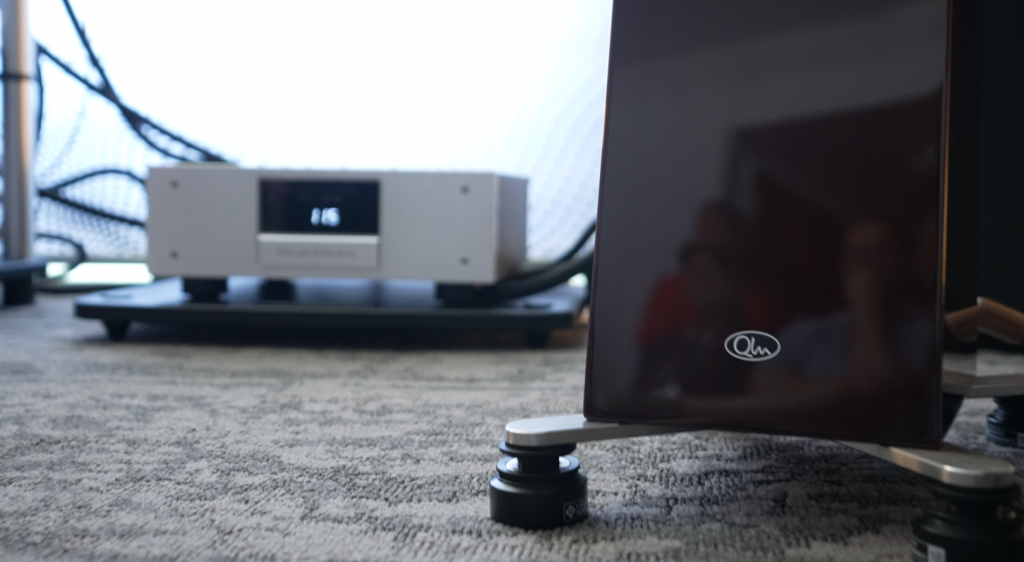
“Well Pleased Audio/Vida’s room had my full heart at this demonstration! The QLN Prestige 3 speakers($12,000) filled the room with an outstanding soundstage and imaging quality way beyond their petite size. They had all the detail while remaining all day listenable and retaining the toe-tapping musicality. Powering the Prestige 3 was the Qualiton a75i integrated amplifier($9,250) giving the sound that all-so-familiar tube warmth but with the bass tightness and treble clarity of solid-state. Feeding the integrated amplifier was the Merason DAC1 MKII($8,000). This combination was touted by many knowledgeable people at the show as being one of the best displays overall if you are a music-first listener.”
Full report here

AXPONA 2023
Come visit us in room 1426, April 15th-17th to experience a phenomenal system comprised of the new Qualiton a75i, Merason DAC1 MKII, and QLN P3 Loudspeakers. We will be using Innuos source components, Swisscables for cables, GigaWatt for Power Conditioning, and the new AB Tech REN Ethernet Filter. All supported by SGR racks. You don’t want to miss this!!
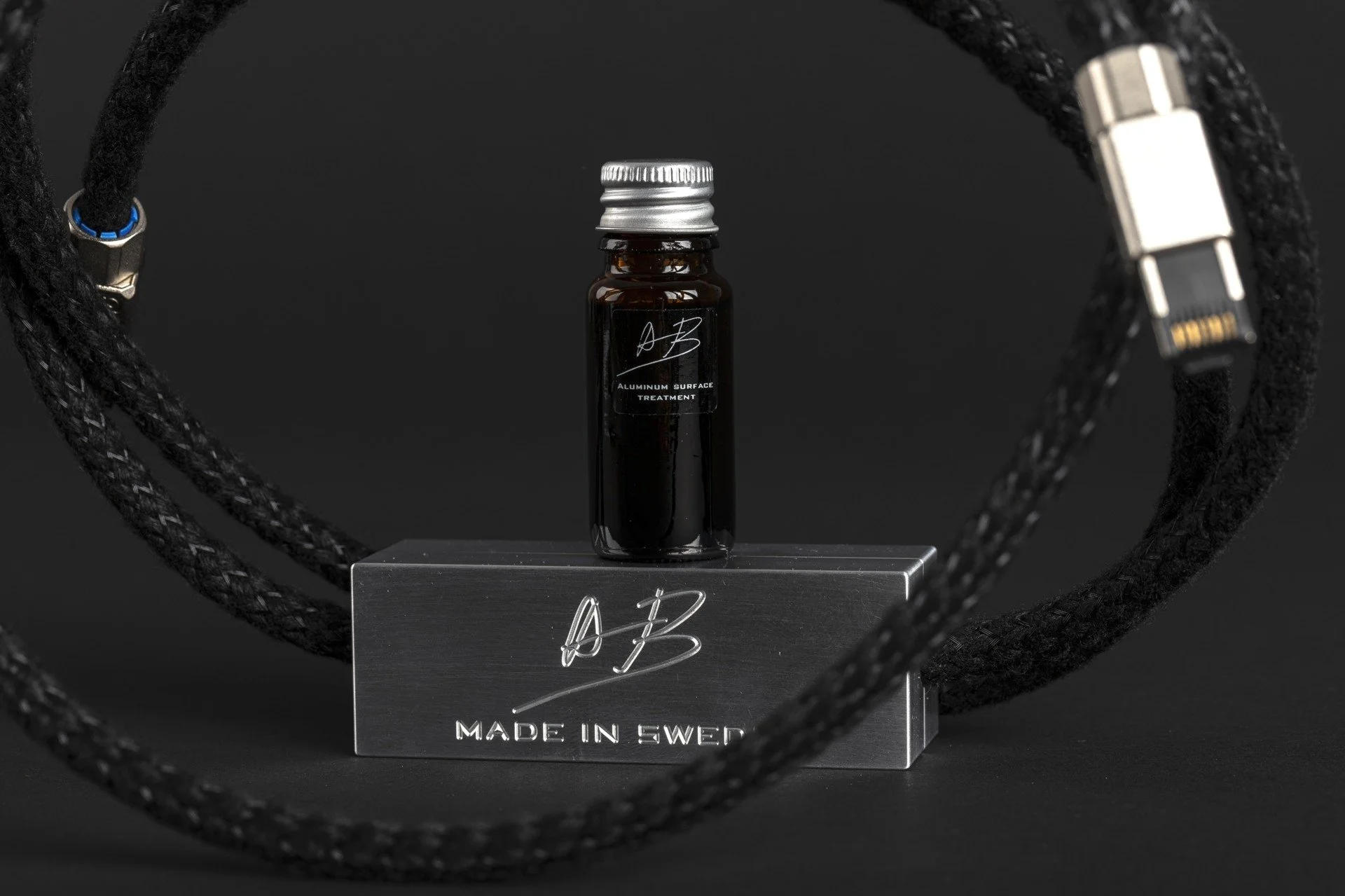
AB Tech Ren Ethernet Isolator Review - HiFi Knights
“To me, it feels like all other elements that may stand in a way between a recording and the listener (me) are just gone. Everything has its place in this calm, precise, orderly musical experience. And yet it is not one that is often referred to as cold or even clinical one, it is not focused on details, and it is definitely not dry. Quite on the contrary, the sound is beautifully rich, dense, and weighted while resolving and transparent simultaneously. It has a very natural flow, so while the amount of information is incredible, I have to intentionally look for them to realize this remarkable wealth. Otherwise, which is much more natural, by the way, I am engaged, even immersed in an intense, rich, riveting experience with all this information smoothly blending into a bigger whole.”
You can find the complete review here
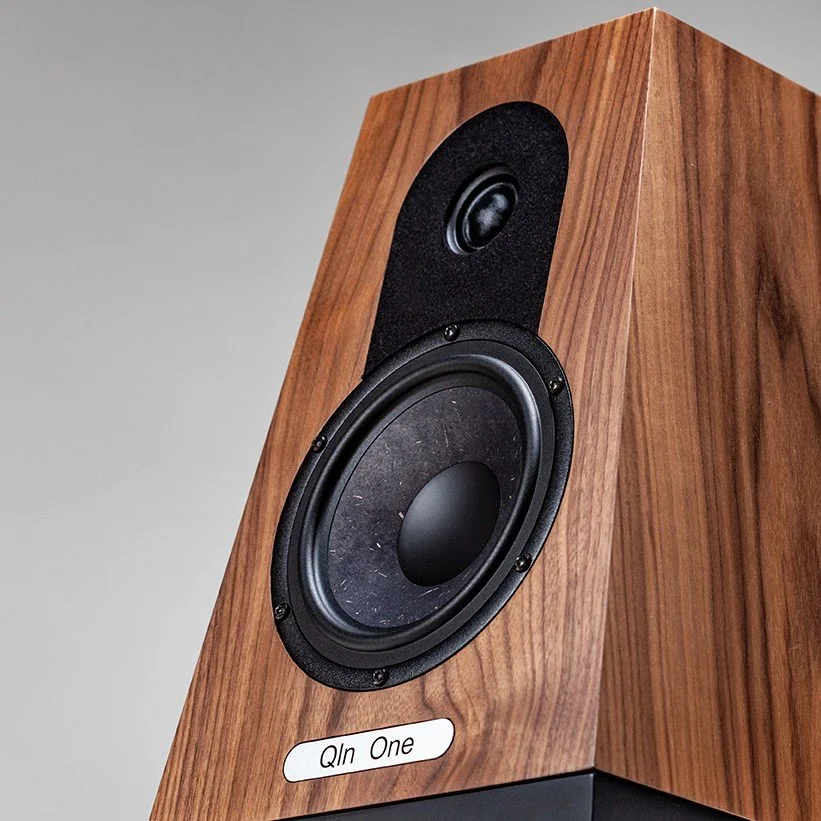
QLN One review - The Sound Advocate
“Even though the Qln One is the first-tier loudspeaker from QLN, (followed by the Prestige One, Three and Five at ascendingly higher price points), costing $4800 per pair, this marvelous little speaker can outshine many other small monitor designs they may have been meant to compete with.
Besides their overall accuracy and honest “neutrality” they stand out particularly with all types of vocal reproduction, be it pop, rock, or in this case, operatic recordings. They display an inherent and distinctively faultless mid-range with a high end that is sweet and decidedly natural sounding. Big, open, and lasciviously accurate in its stereo imaging, the Qln One will endear itself to the most demanding high-end music lover with its engaging and enduring sound quality. They are highly recommended and deserve an “editor’s choice” rating!”
Find the full review here
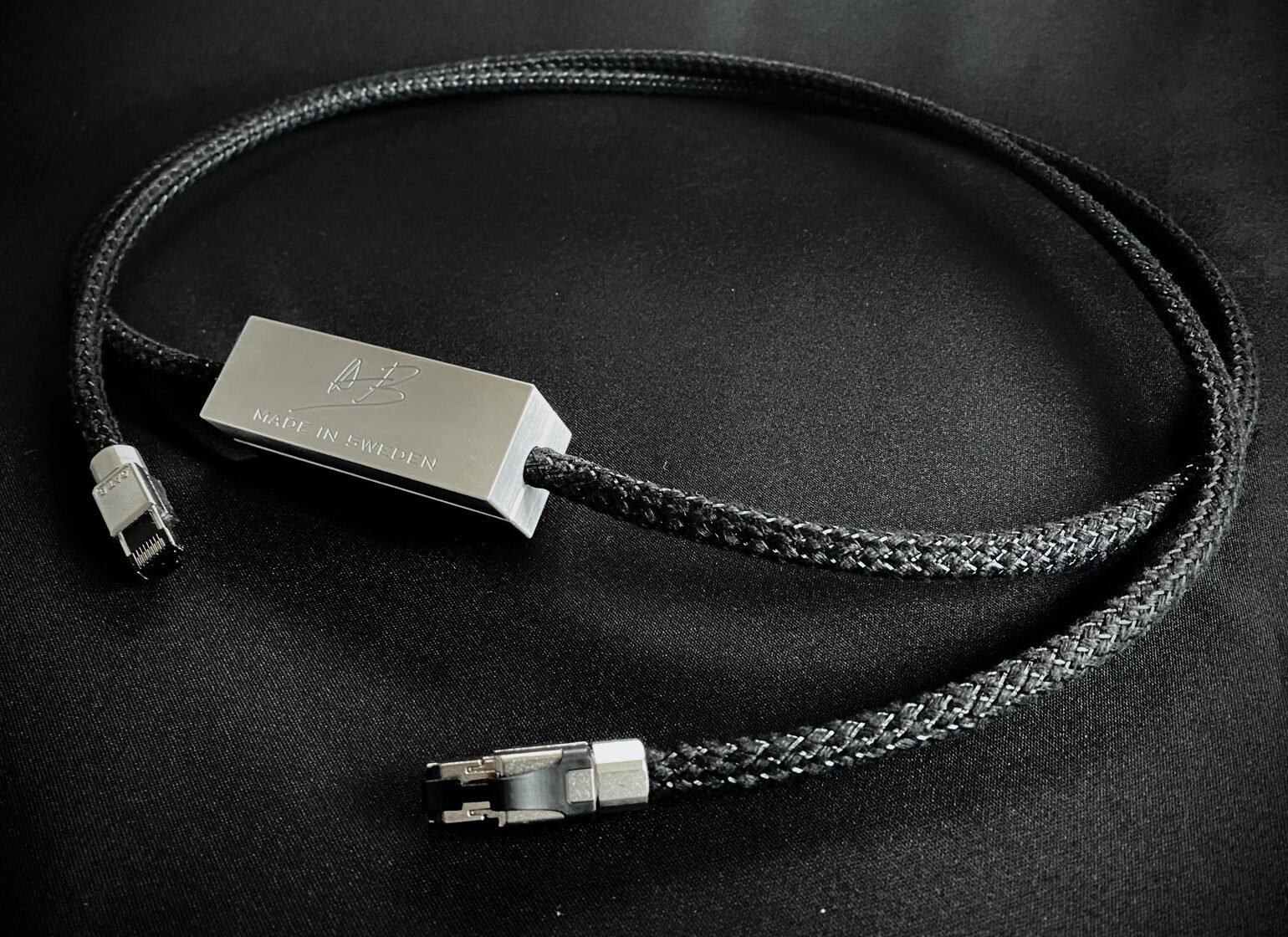
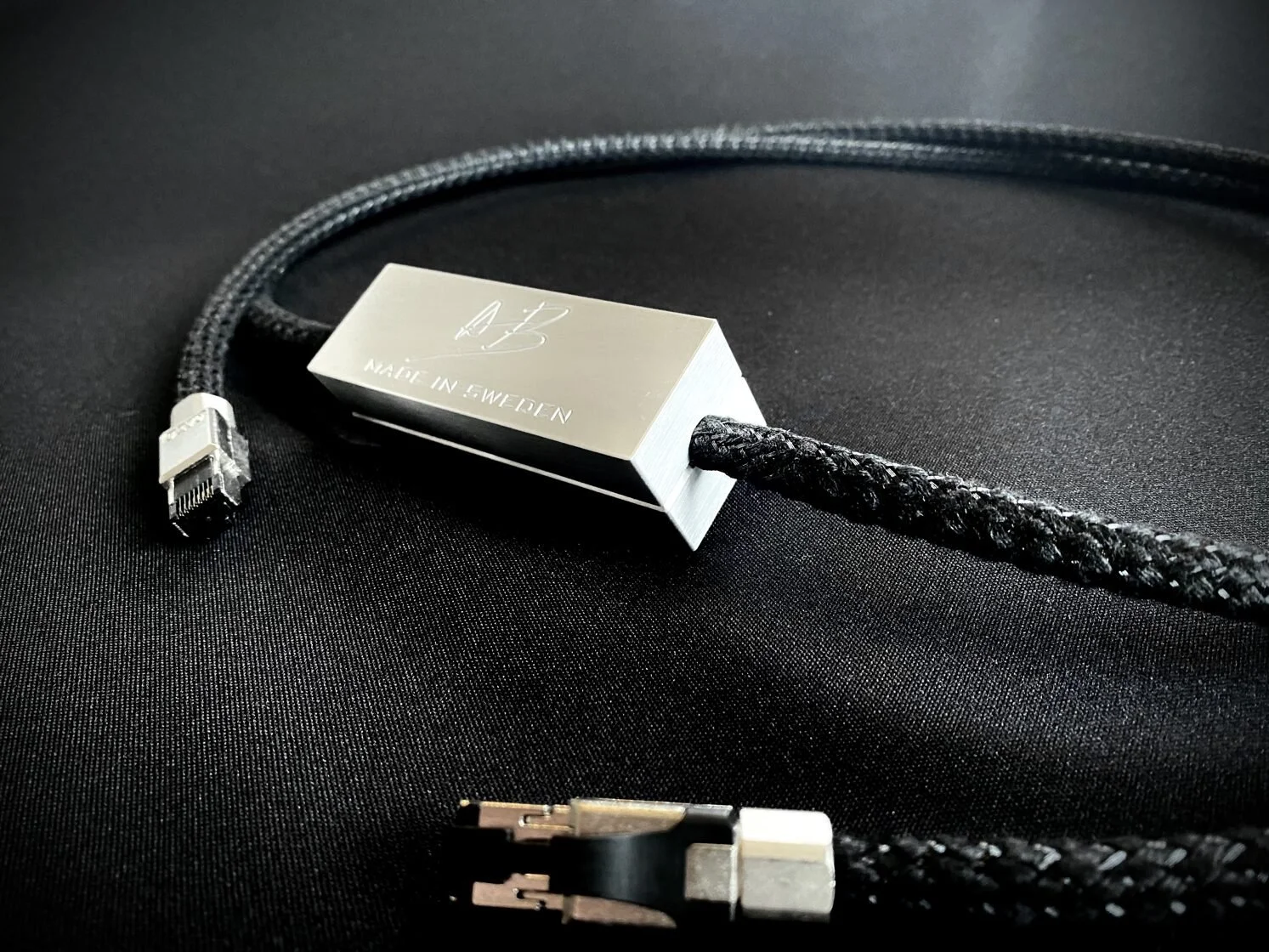
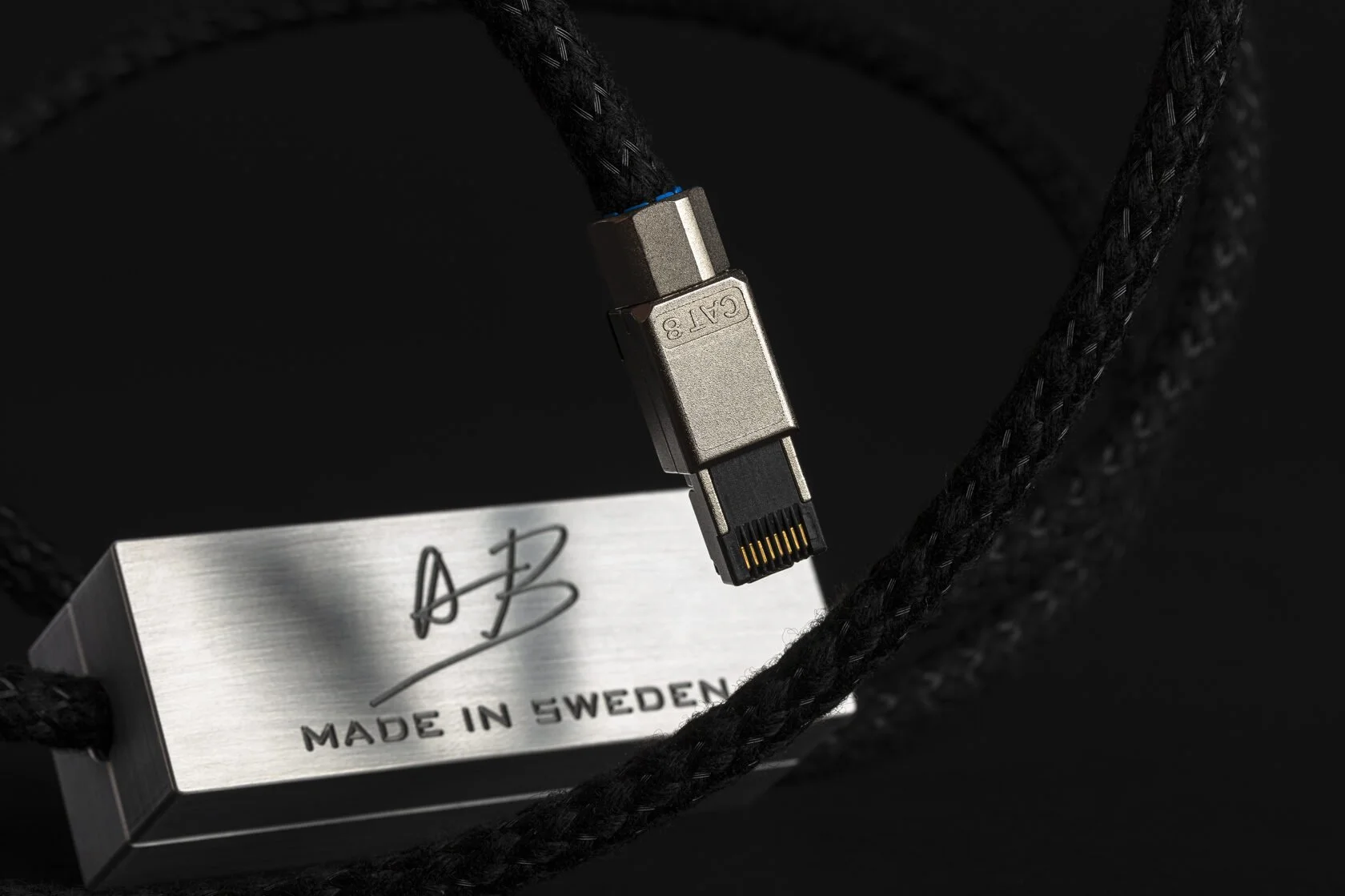

AB-Tech - REN - Ethernet Isolator
We are very happy to introduce the AB-Tech line of digital cables here in the United States!
REN which in Swedish means clean or pure is our brand new accessory for high end audio streaming via ethernet.
With this isolator, besides from acting as a filter, both signal and ground are completely galvanically isolated, which means all noise is removed and through comes only music.
In the aluminum body milled out of two solid pieces of non magnetic high grade aluminum which is specially designed to keep out any interferance, the isolator is molded in a vibration dampening material.
The connectors used are specially design for high end ethernet cables and has a die-cast robust zinz housing and high quality latch-protectors.
The cable it self is a high grade cat 8 ethernet cable that is specially designed for noice cancellation most commonly used for medical and military purposes, where noice isolation is just as important as in audio. It feature an aluminum PETP foil around each balanced twisted pair of copper cable. All four pairs are then housed with a special thermoplastic material, and finaly wraped in a custom noice reducing sleeve normally used in aerospace, that also provides a luxurios finish for the listeners eyes. But as you might imagine, the real beauty comes from the sound that it provides.
Please contact us for more information.
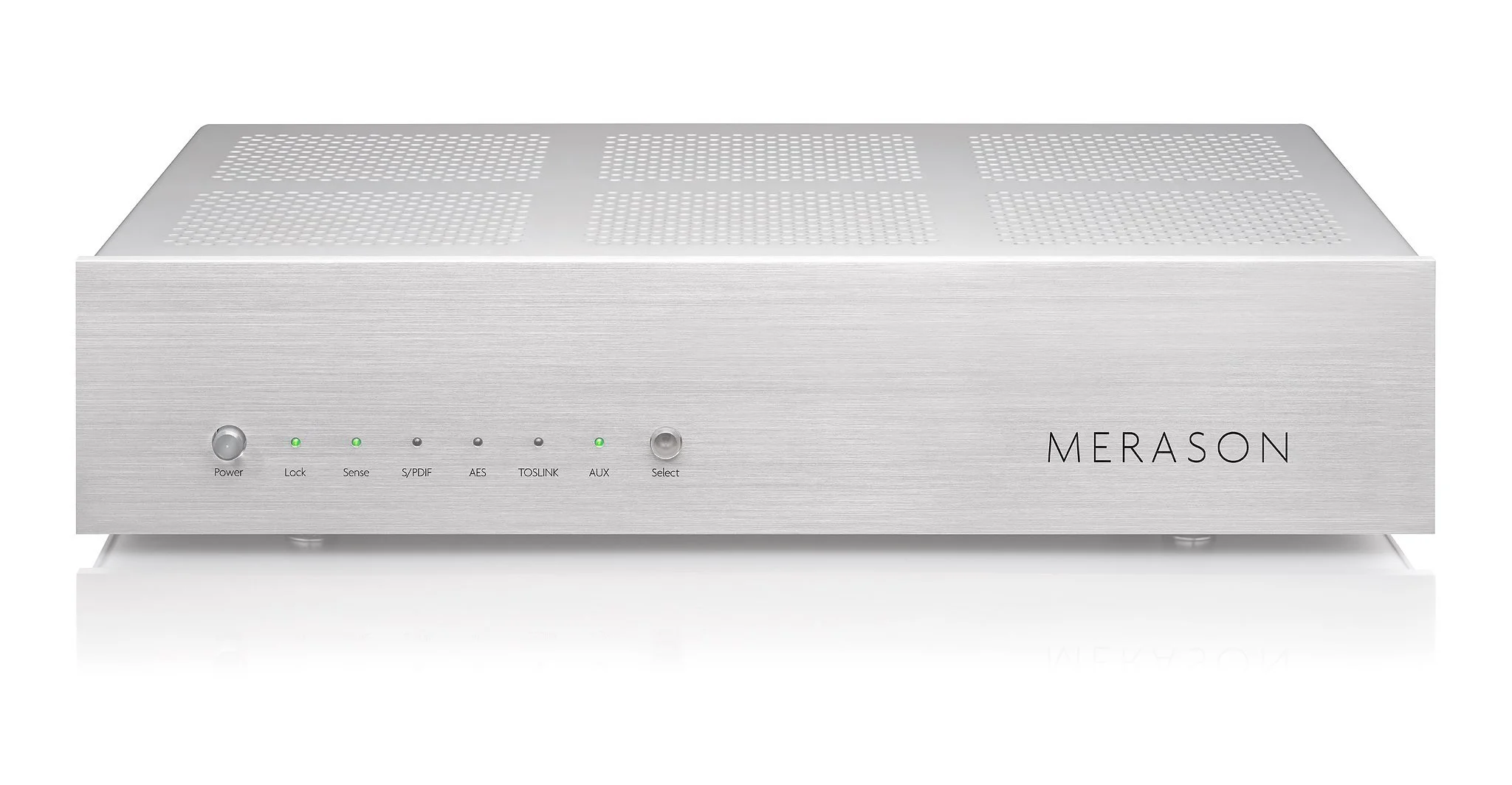
New Merason DAC1 MKII
Worb, Switzerland – We are very excited to announce the release of the new DAC1 Mk II D/A Converter. Over a year’s time was spent carefully considering how to improve upon our award-winning design to offer customers around the world even greater musical enjoyment, and we could not be happier with the results (see below). All existing DAC1 owners will have the ability to upgrade their units to Mk II status. The new DAC1 Mk II will begin shipping later this month while upgrades will begin in early February. Please consult with your local distributor for more information.
New Design: The structure and routing layout of the PCB was entirely re-designed resulting in a significantly reduced impedance and loss-free power supply delivery to each individual component. In addition, the shielding against external interference was also greatly improved.
Components: High precision SMD components are now predominantly used throughout the design due to their superior performance characteristics. Unlike the THT parts previously used, the SMD components offer a far shorter component to conductor path resulting in much lower losses. The capacitors in both low-pass filters now have a dielectric made of polystyrene, a material well proven for high performance audio applications.
Thermal concept: New in the DAC1 Mk II is a sophisticated mounting procedure of the power transistors to their individual heat sinks using custom designed disc springs. This intricate method allows for a precisely defined contact pressure, achieving optimal temperature equalization of the paired transistors. This application has dramatically reduced harmonic distortion in the signal path.
Result: All these measures have led to an even wider and deeper sound stage. The dynamics are clearly greater, with the transient speed and attack reminiscent of live music. Although the measured output level has remained identical, one has the impression that the Mk II plays louder with a much quieter background. Micro/Macro details are resolved more distinctly, with new details emerging from familiar recordings that were not previously recognizable. The sound image has become even airier and lighter, with bass now much more weighted and defined. All in all, a converter that plays in a higher league!!
Pricing: MSRP – $8,000
Available now, in silver, black, and cider (champagne)
Part Time Audiophile Buyers Guide 2023
We are honored to have several of our products recognized as some of the best in their respective categories in Part Time Audiophile’s 2023 Buyers Guide! Link here
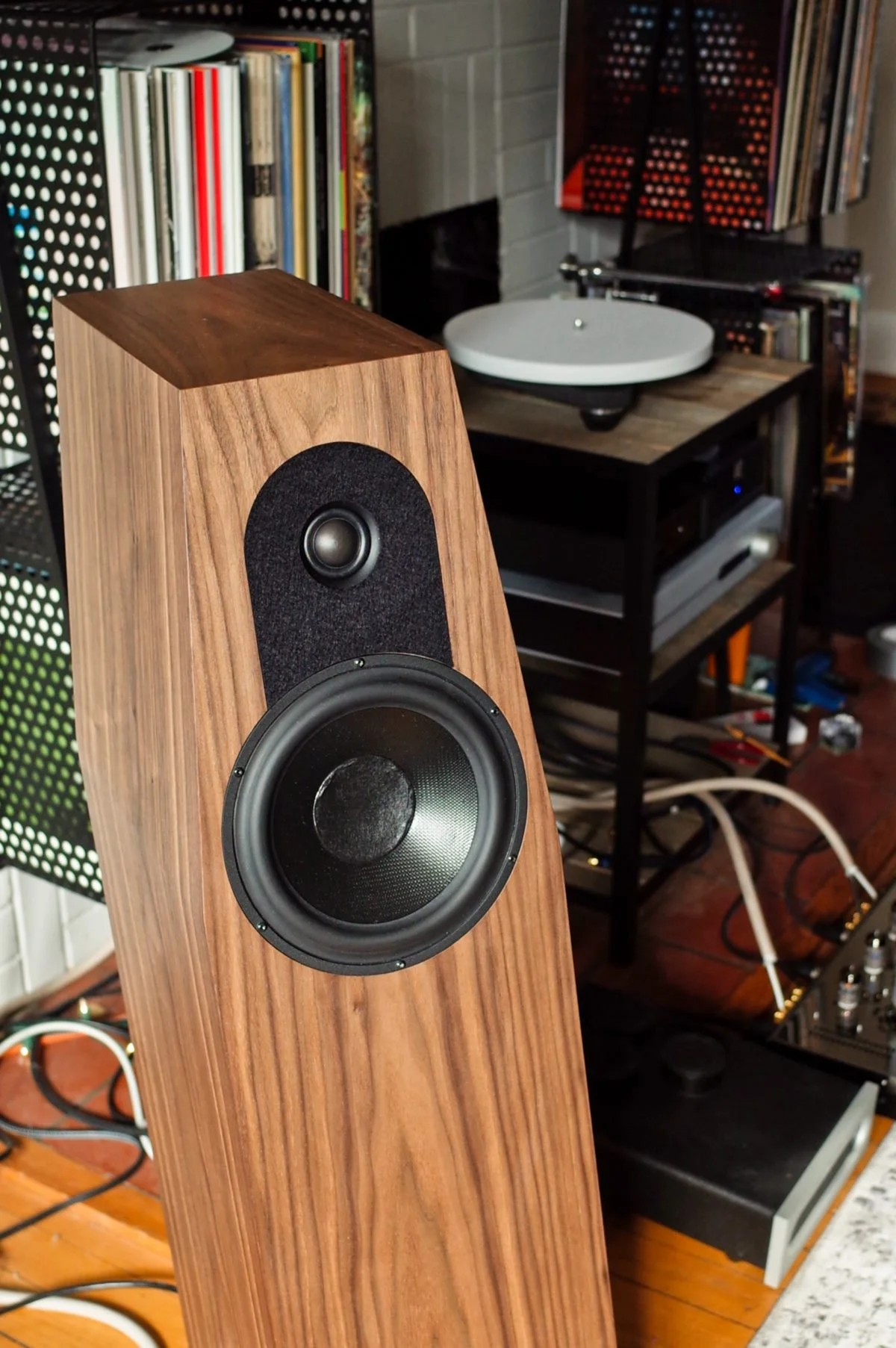
Qln Prestige Three ($11,000 pr USD)
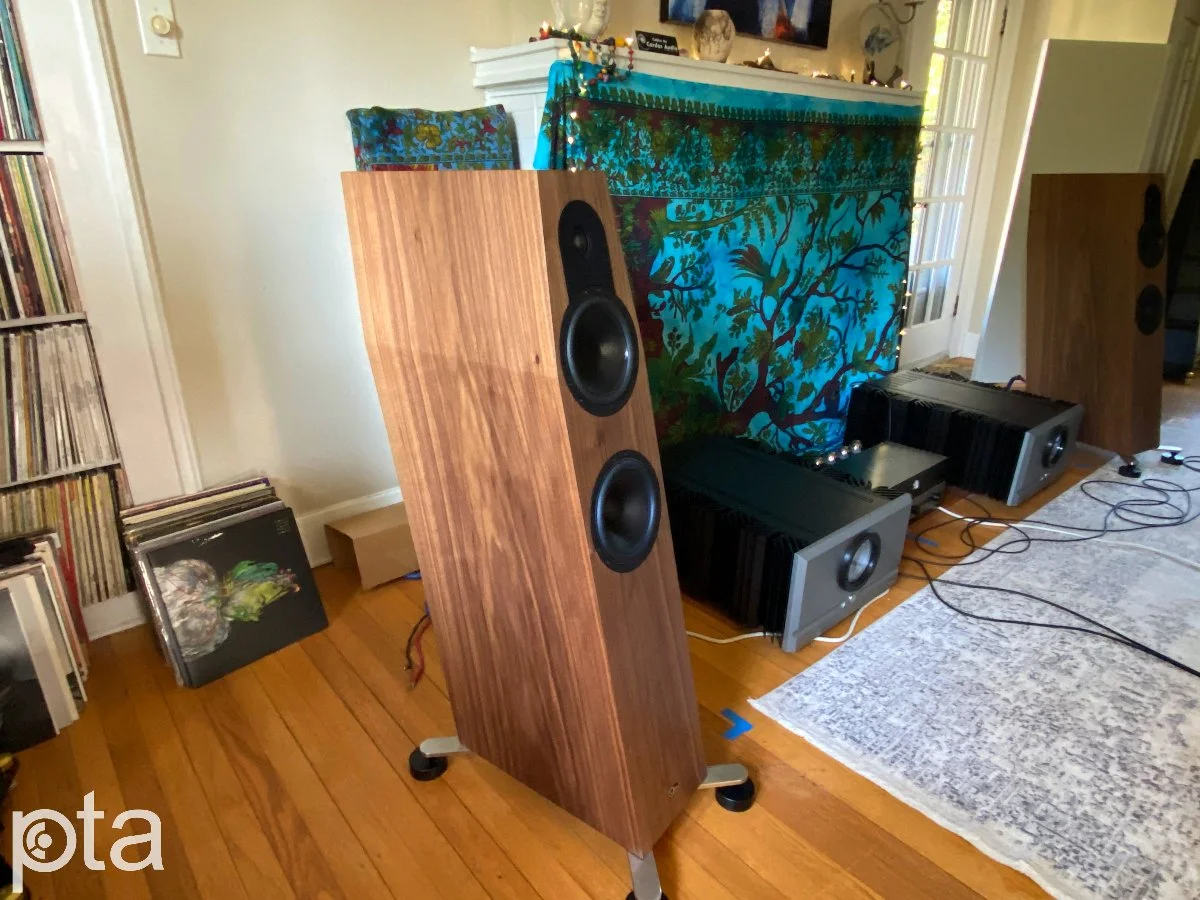
We’ve been drooling over the Swedish-built Qln Prestige Threes, especially with Vinnie Rossi amplification, for a few years now. Once we tested these floorstanding speakers, we didn’t want to give them back. The Qlns throw up a huge sound, warm and yet crystalline, and you’ll stare in disbelief when you hear these very petite towers in action. We felt they did so many things exceptionally well, that we suggested that many different types of listeners will find them to be “all they need.” An Editor’s Choice winner.
Qln Prestige Five ($17,500 pr USD)
Qln’s Prestige Five, along with the smaller Prestige Three, were so compelling that our reviewer wound up buying both pairs for himself. It’s no surprise that the PTA team is completely enamored with this Swedish speaker manufacturer; so much bass comes out of these still-petite enclosures that you’ll shake your head in disbelief. “Great imaging qualities and dynamic speed with an added something that gets us closer to the music,” we concluded, giving them a Reviewer’s Choice award.
Qln Prestige One ($6,800 pr USD)
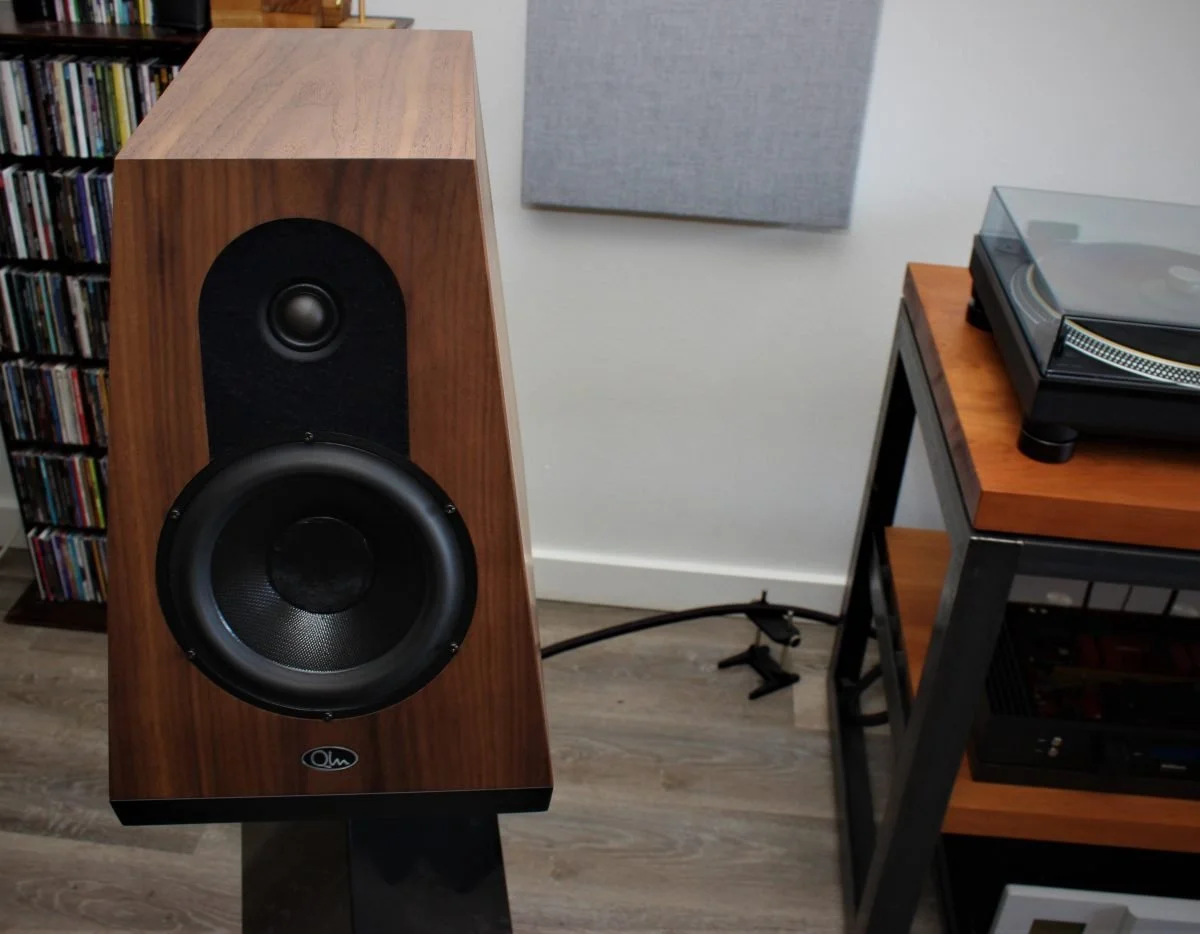
This two-way stand-mounted bookshelf speaker from the extraordinary Swedish company competes with many of the finest monitors we’ve heard, and it comes at a price that makes us wonder why haven’t we purchased a pair for ourselves yet. Outstanding, balanced low frequencies in all but the largest rooms. “If you’ve heard the larger Prestige Threes playing at an audio show and you’ve fallen under their spell, you’ll be thrilled to know that much of that magic is present in the Prestige One.” Reviewer’s Choice winner.
Merason DAC-1 ($6,000 USD)
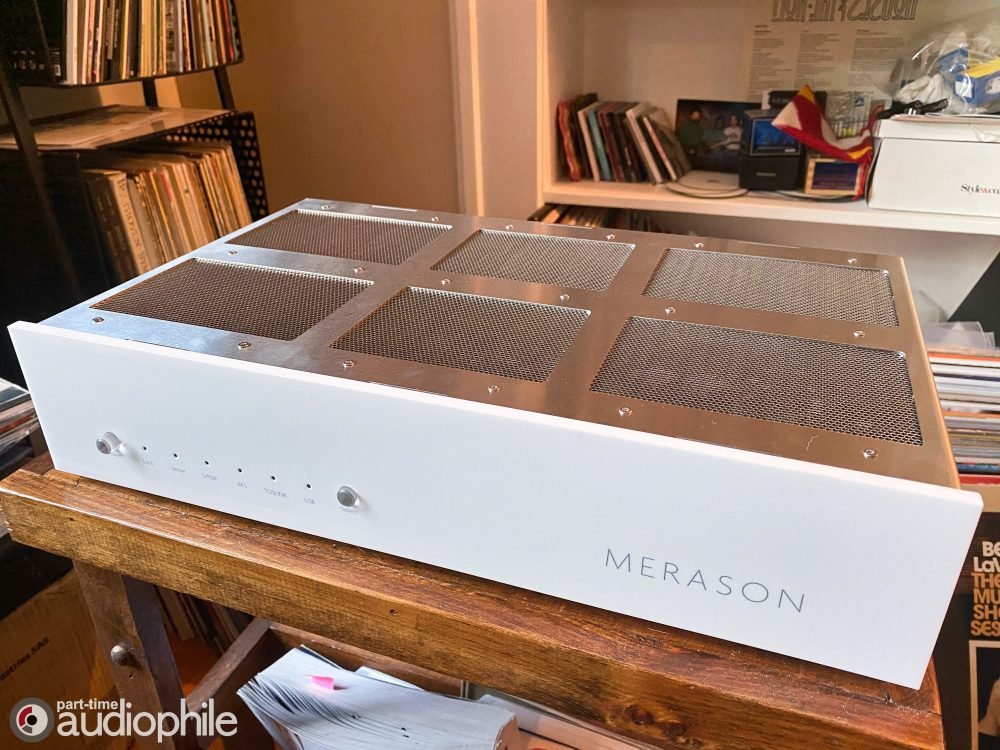
We felt that while there are many excellent DACs out there for around the same amount of money, the Merason is one of the best DACs we’ve heard at any price–so much so that we would still be impressed with it if it was far more expensive. Sonically, it can go toe-to-toe with plenty of the big boy DACs. “What you get is a product that seems to be built for the audiophile that is primarily interested in performance and doesn’t require a lot of fancy features or gold-plated-with-a-screen visuals.”

Merason Frerot with POW1 LPSU ($1,475 USD)
Small, simple and relatively inexpensive for the performance it offers, this DAC is perfect for audiophiles who don’t require a lot of bells and whistles but do want superb sound quality. We found the Swiss-built Merason Frerot to be perfect for streaming Qobuz, and for mating with an equally high-value streamer like the Innuos Zen Mini Mk. 3. Optional Pow1 LPSU ($900), improves sound quality across the board. A Reviewer’s Choice winner.
Audio Hungary Qualiton X-200 ($6,499 USD)
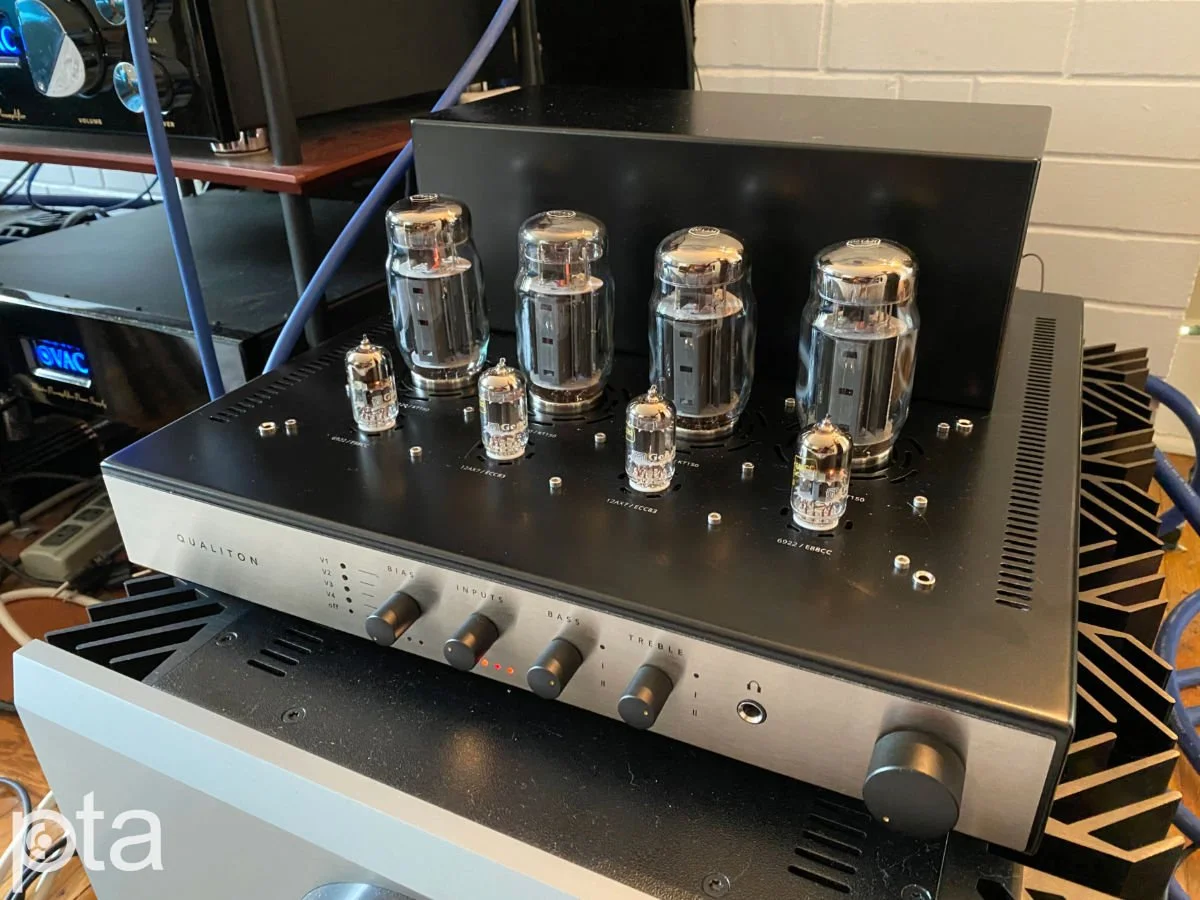
Powered by KT-120s or KT-150s, this integrated has many interesting features that move beyond the usual minimalist designs from Audio Hungary–a built-in phono stage, tone controls and a nice-sounding headphone amp. “Colossal soundstage, glorious midrange, clean highs, and pounding bass,” we decided before handing the X-200 a Reviewer’s Choice award.
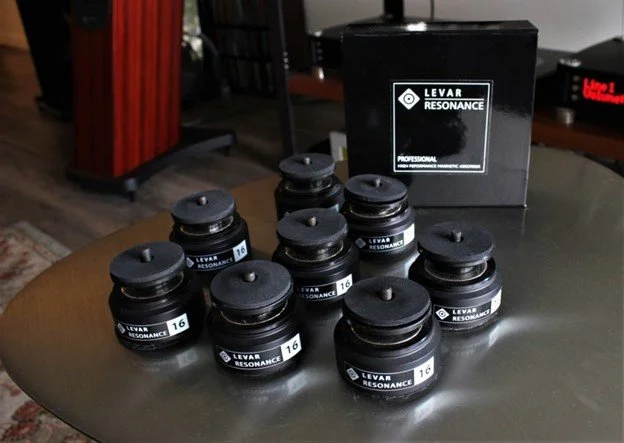
Levar Resonance (prices vary)
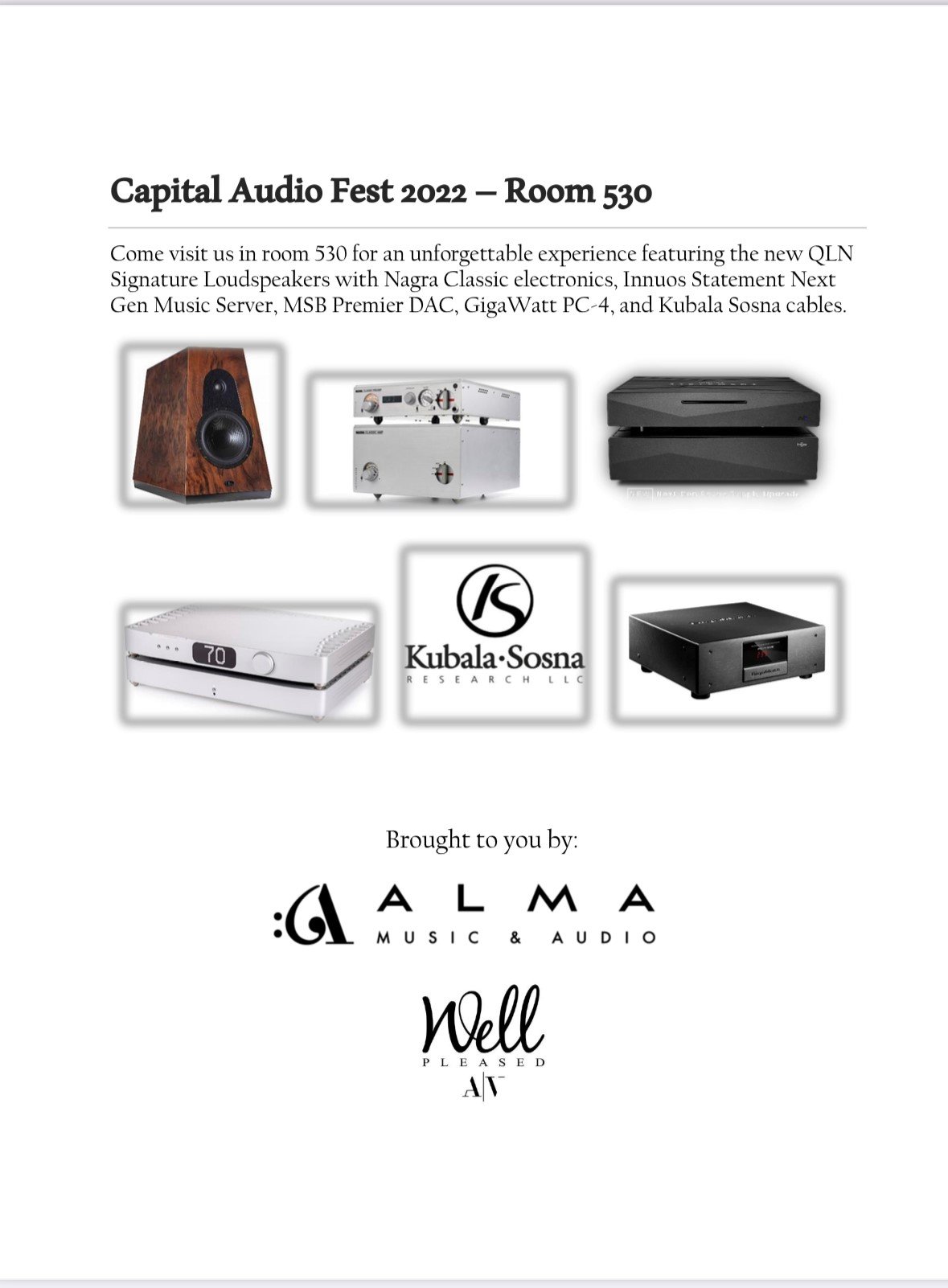
Capital Audio Fest 2022
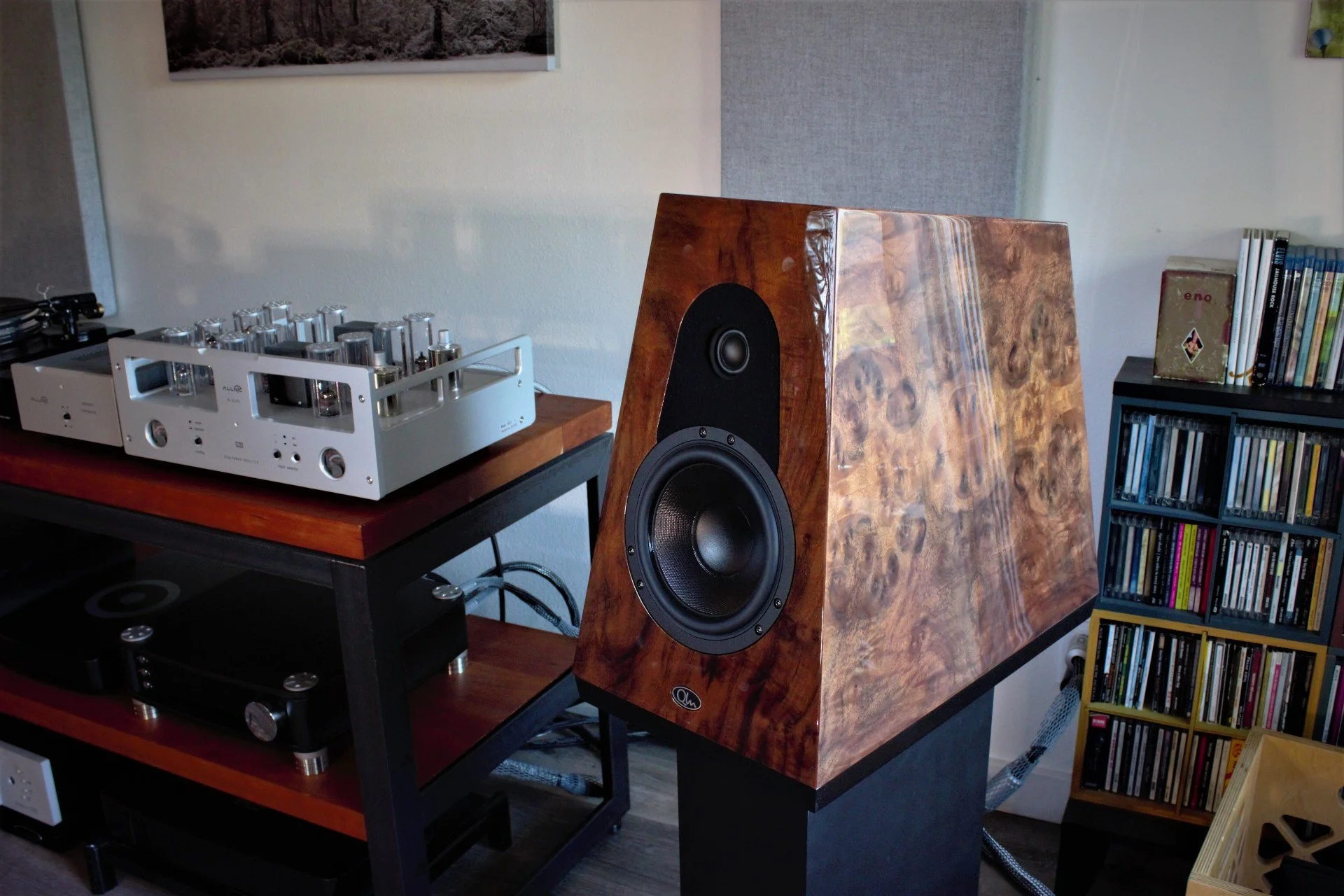
Photo Courtesy of Marc Phillips
QLN Signature review - Part time audiophile
Spoiler alert: this isn’t going to be as much of a dry, objective review of the Qln Signature loudspeakers as a feverish chronicle of an all-too-brief romance. If that seems too biased for a high-end audio review, so be it. In this hobby, we often keep our enthusiasms on a short leash lest people think we’ve surrendered that objectivity. I say that if you find something that seems to have been tailor-made to your personal tastes and gets you all pumped up, tell the world.
Let me once again preface this by reminding my critics that I don’t “love everything” and the reason why most of my reviews are positive and end in a solid recommendation is because I often do a lot of scouting in advance. There’s nothing that takes the fun out of this otherwise amazing job quicker than a piece of gear that holds no interest for me and isn’t remarkable in one way or another, and I think both readers and manufacturers know what it looks like when a reviewer is trying too hard to say something positive about said piece of gear. I want it to be interesting to me, because I want it to be interesting to the readers. Otherwise this becomes just a dreary job, like all the others.
But I didn’t just scout the Qln Signature monitors. I stalked them, and for quite a while. I charted their progress through the production channels. I knew how good they were long before they arrived on my front porch. Heard them a couple of times in advance. Wrote about it, too.
Let’s go back to the beginning. After I reviewed the Qln Prestige One monitors a couple of years ago, I couldn’t stop thinking about them. These two-way monitors cost just $6,800 pr USD, and yet I preferred them to some of the five-figure premium two-way speakers I’ve reviewed. That’s troubling since the Prestige Ones have influenced the way I now judge speakers in this price range because I know what can be done for this kind of money. You, my $7,000-loudspeaker-making-friend, have to beat this.

I’m not saying that the Qln Prestige Ones are the best stand-mount two-ways in the world, but if you hand me $7,000 and say go forth and buy a pair of two-ways, I will probably be quick and decisive and give Mats Andersen of Qln and Mark Sossa (of Well-Pleased Audio Vida and the Sales Manager for Qln) a quick phone call and tell them I’m ready to pull the trigger. But what if Mats Andersen did decide to build the “best” two-way that he could, something that goes far beyond the remarkable Prestige Ones? Just before my review period started with the P1, I was told that Mats was working on the latest generation of his original Signature monitor, which was the Qln flagship model for a long time. (Remember, Qln has been around since the ‘80s.) Best part: when it was ready, I’d get a chance to review it.
Here we are, all caught up. But this recent refreshening of the Qln speaker line was, at first, tough to sort out. The original Signature model actually looks a lot like the Prestige One—a truncated pyramid, basically. The original Prestige One, in fact, was just a rectangular box with all right angles. When I first opened my review pair of the Prestige Ones, I thought they were the new Signatures with that same geometric shape. That’s when I realized that I hadn’t even seen an image of the new Qln Signature yet. No one had.
Once I saw them in the flesh, at AXPONA, everything made sense. While the Qln Signature loudspeakers bear a strong resemblance to its siblings in the Prestige line, they make a strong first impression with their size, shape and the quality of their fit and finish. There’s no mistaking that this elegant and substantial monitor is designed to sound like a much bigger speaker, one with few limitations.
I know, that’s another expectation I had about the Qln Signature monitors. Still, I felt the electricity in the air when we first met. The chemistry was undeniable. And it helped that they looked hawt.
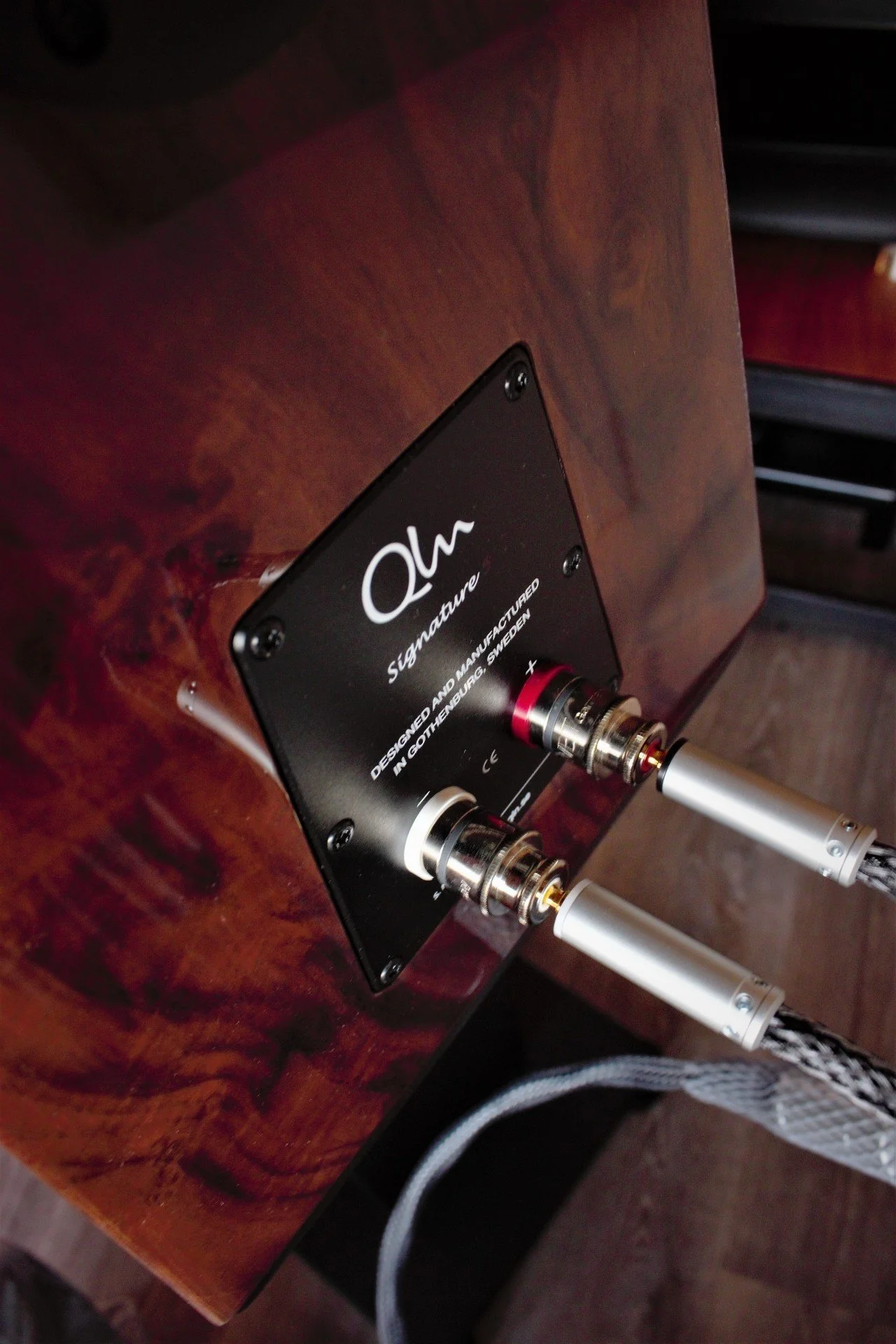
Qln Signature—the Meet Cute
Oh my God, is that them?
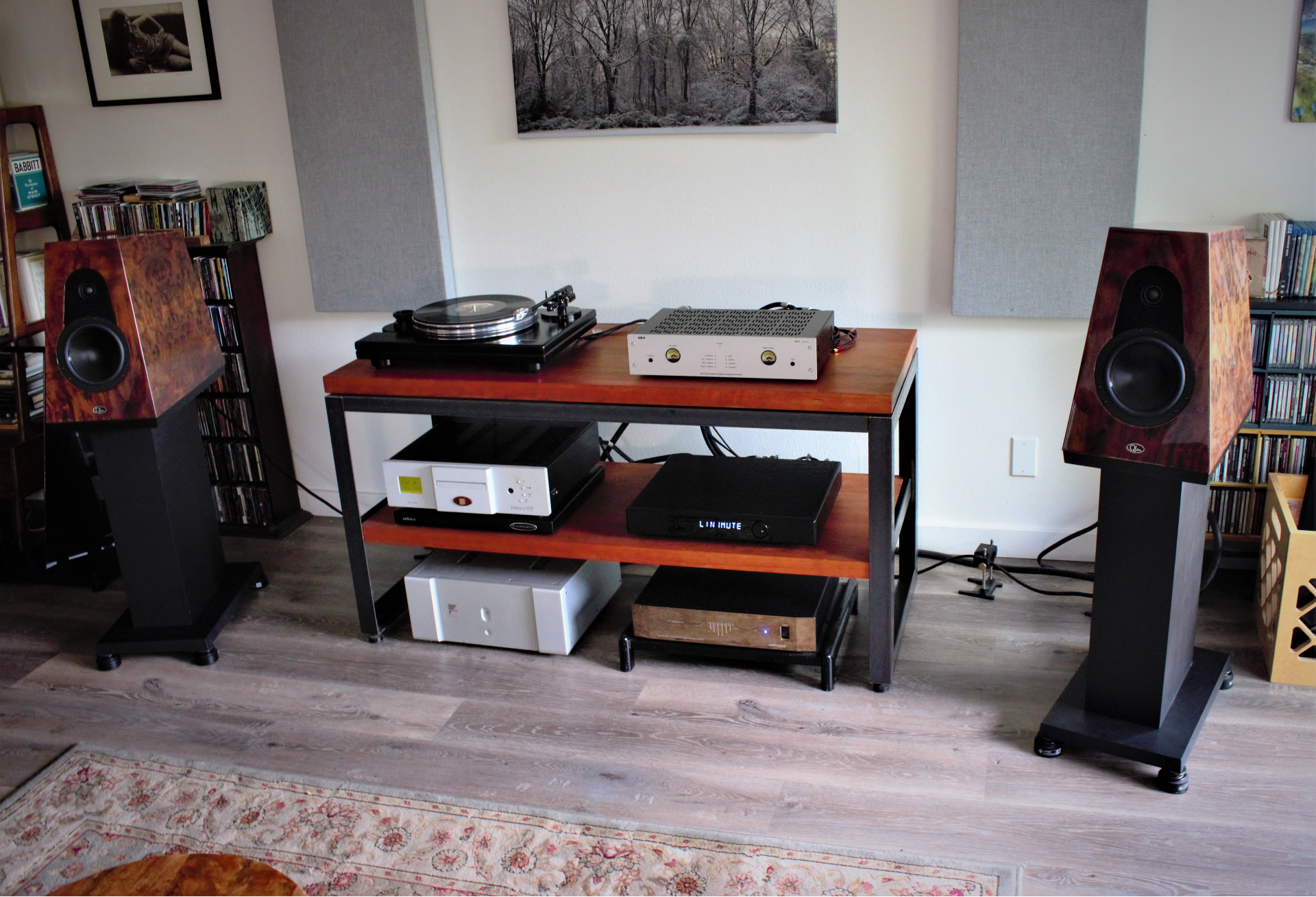
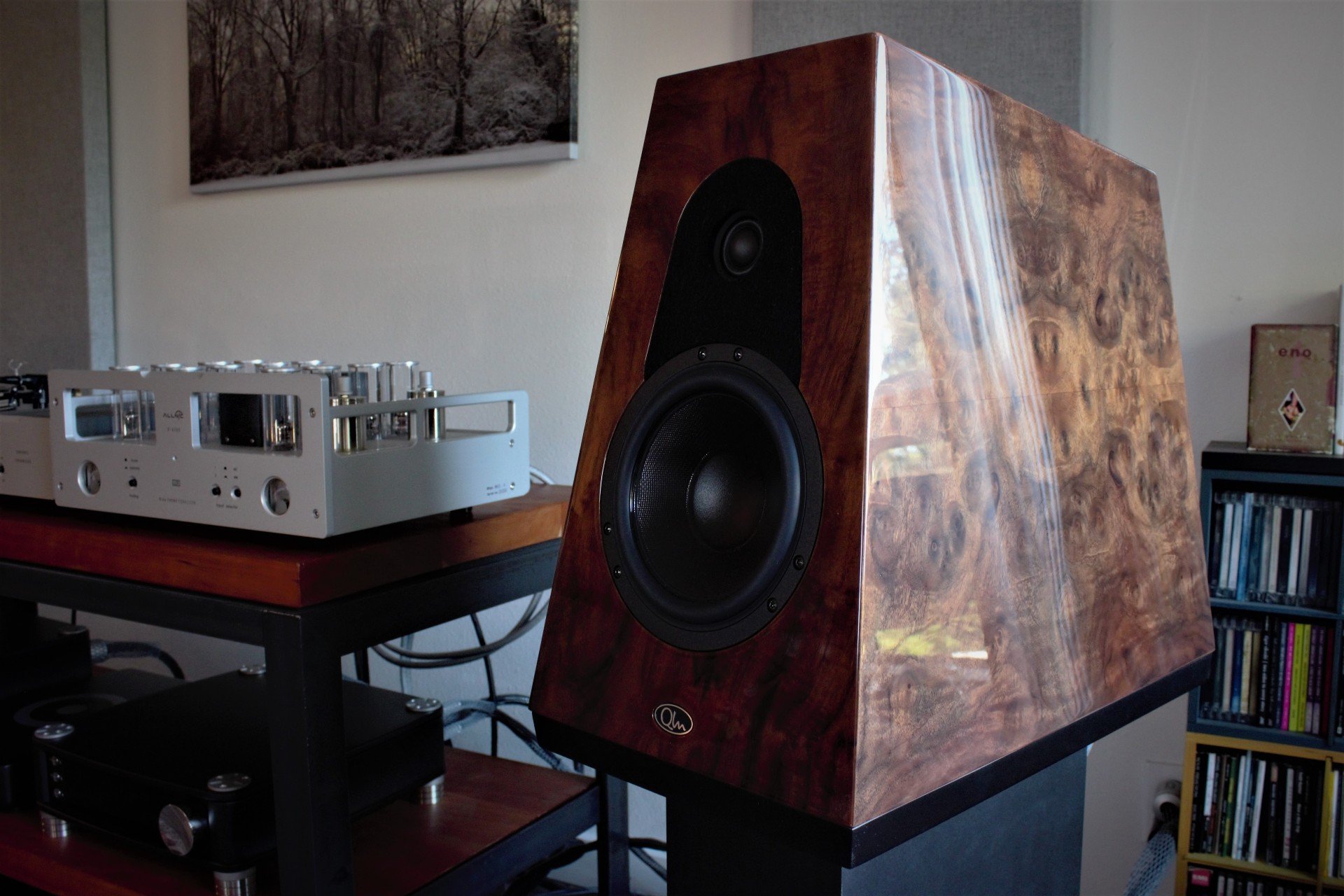
When I arrived at AXPONA 2022, my top priority was visiting the room where the Qln Signatures were ready, along with the Vinnie Rossi Brama integrated amplifier, to make their public debut. They looked amazing, a Qln through and through in terms of shape, drivers and finishes, but really, really deep. That depth, in turn, makes the Qln Signature look absolutely huge in comparison to the Prestige One, even though they look very similar when both are faced straight on.
Also, there are no right angles in this enclosure. You still have that truncated pyramid shape of the P1, but the top of the cabinet slants down so there are no parallel surfaces creating standing waves and other sonic mischief. That also adds to the perception of depth.
How much do they cost?
There was a time when that question made me cringe, because that’s always the first question someone asks when they’re exposed to a high-end audio product. We have a couple of writers at PTA who never talk about price tags—I gotta chase them down for the price before publication because the angry comments will be immediate and numerous if I don’t. But I was interested in the final MSRP of the Qln Signature for a couple of reasons. First, the PTA staff constantly talks about Qln, and we all made our guesses about the MSRP of the Signature. Second, I wanted to know if the price was within my reach, because…well, it’s a Qln, that’s why.
The final price for the Qln Signature monitor is $22,000 per pair in matte walnut (the pair I heard in AXPONA), and $24,000 per pair in the breathtaking gloss walnut burl (the pair I saw in Munich, which is the pair I wound up reviewing). The dedicated stands will be an extra $2,000 per pair. That’s significantly more expensive than the three-way floor-standing Qln Prestige Fives at Dave McNair’s house.
I asked Mats Andersen which model he liked better, and he was a kind and fair father when he said the P5s go deeper in the bass, but there was something very special about the Signature that goes beyond frequency response. To this day, I still haven’t listened to the Prestige Fives.
The Qln Signature uses a custom 7” Kevlar driver from Scanspeak and an Illuminator tweeter from the same source. Mats told me, back in Munich, that he prefers using “soft” drivers—as opposed to metal or ceramic—because they provide the sound he wants. These drivers from Scanspeak are custom-made for the Signature, however:
“The Qln developed coated Kevlar® bass/midrange driver with under hung magnet system (where the voice coil is in the magnet gap all the time) forms a completely linear motor system. This allows for open air flow without any compression or turbulence resulting in micro details and absence of acoustic noise found in normal basket designs. A built-in copper ring in the magnet system offers symmetrical drive, and lower voice coil inductance producing higher dynamics in the midrange while also suppressing intermodulation distortion. All these technical innovations result in astonishing micro/macro dynamics from a 2-way speaker design.”
The first couple of times I heard Qln speakers, I wondered how Mats Andersen achieved such a rare and beautiful sound from a seemingly conventional enclosure and driver complement and I might’ve mentioned something about fairy dust to Mark Sossa. He replied that it’s all exceptional engineering and attention to design. When you look at the Qln Signature and what’s inside, you’ll start to appreciate the thoroughness of its creator.
Mat Andersen’s constant impedance crossover has been redesigned with non-inductive capacitors, and the internal cabling uses pure copper core that’s manufactured right there in Sweden. Parts quality is extremely high—copper film caps, precision metal film resistors and WBT Nextgen binding posts with silver-plated copper. The enclosure itself is made from QLN’s proprietary Qboard material, which eliminates “structural resonances in the acoustic chamber.” The slanted baffle allows time alignment of the drivers. Every step of the way, Mats is finding new ways to eliminate noise.
Finally, let’s take a look at the Qln Signature’s numbers: 87 dB sensitivity at 8 ohms, a frequency range that goes down to 38 Hz (down 3 dB), seemingly ordinary numbers for an extraordinary transducer. The number that wound up meaning the most to me was the weight—31 kg, almost 70 pounds. They’re two-way bookshelf monitors, but just barely. Lift with your legs.
Qln Signature—the First Date
When the Qln Signatures were first installed, they were connected to my Pureaudio Control preamplifier and an older Ayre V-3 power amplifier I’ve borrowed. That was a superb match, with just the right amount of warmth—a “getting to know you” kind of warmth that may have been a little reserved in tonality but still hosted a very entertaining party at the frequency extremes. Then I moved to the Bel Canto Design e1X integrated amplifier, a powerful class D “almost all-in-one” with an inboard phono stage and DAC/network streamer. I had nearly everything I wanted sound-wise, coupled with a dizzying array of source options that prompted many a late-night listening marathon.
Then the Aavik and Ansuz equipment arrived—the Aavik U-280 integrated with built-in DAC, the Aavik S-280 music streamer, the Ansuz ethernet switch and power distribution, and plenty of Ansuz cabling from speaker cables to interconnects to power cords to USBs to ethernet. If you’ve read about my recent visit with Audio Group Denmark, you’ll know this gear is very different than most in its approach. For example, each of the three brands in AGP (Aavik, Ansuz and Børresen) focus on reducing inductance in the signal path in order to reduce the noise floor. These pieces created such a profound silence around the music that every other component has its nature revealed, warts and all.
At first I wondered who would win—the utter neutrality of AGD, or that warm and intoxicating Qln dreamscape. Turns out, the Qln Signatures were more neutral than I thought. As I mentioned, Mats is focused on reducing noise and unwanted resonance, and that’s totally aligned with the AGD approach. I could still feel the Signatures’ serenity and poise within the AGD-dominated system but pulled in a little closer to the sweet spot. Hearing this combination thrive, with the support of the other, truly reinforced that idea of warmth and detail being totally compatible. Depending upon the music, I could focus on the tiniest details or drift back and lose my focus and get lost in the music.
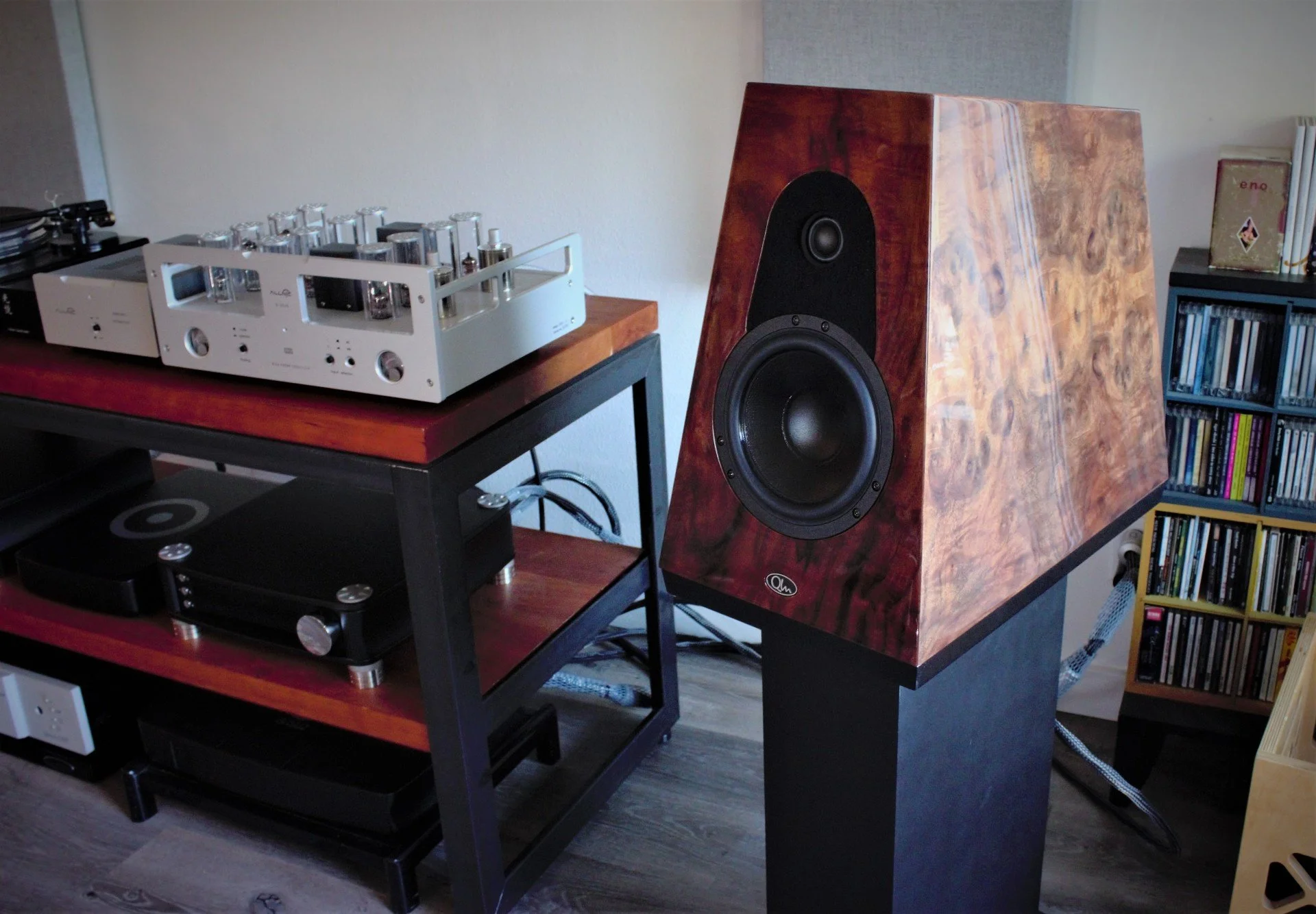
Finally, the Qln Signatures have those dedicated stands. (Mine were prototypes of the final version, by the way.) With that massive weight, they need them. I was able to use the Acora Acoustics SRS-G stands on the Prestige Ones and they took the low frequency performance to the next level. But the Qln Signatures are so large, especially on the bottom, that the top plate for the SRS-Gs seemed like a precarious solution for such a robust monitor. So Mark Sossa sent me the stands for the Signatures, along with some additional magnetic damping footers to try from Levar Resonance.
Yes, I said magnetic damping footers. That means the Qln Signatures were actually floating on a cushion of air, which is okay since the Levars are self-leveling. Mark sent me the 16s—a set of four will handle up to 52 kg. (Other models from Levar handle up to 200 kg.)
Installation was a brief white-knuckler until the Levars settled in and self-leveled—the entire structure was a little wobbly and the Signatures, as I mentioned, are not light speakers. Eventually the footers stabilize, and that’s when I stopped worrying. The Qln Signatures undoubtedly sounded better on the Levar Resonance 16s than on the nicely-finished stock footers supplied by Mats Andersen. Low frequencies had greater force, as well as greater focus, and I heard more detail. While I’d still be careful not to bump the stands with my hindquarters, I would choose the Levars with these stands without hesitation.

Listening to Music…Together
You know when you first meet someone you really like and it seems like you have so little time to tell them everything you want them to know? With the Qln Signatures settled in, it was almost a race to see how much of my favorite music I could play through them. The Aavik U-280 and S-280 allowed me to stream like a demon through my musical history (as did the Bel Canto Design e1X before it), and these were days when notes weren’t scribbled down and personal hygiene was briefly suspended. But you know what I mean. I felt like I was hearing the best version of many of my favorite tracks, and time was running out.
Plenty of new releases were given the Qln treatment. Nica Carrington’s Times Like These is a rather natural choice where we have a jazz singer with a tremendously expressive voice, just a hint of dryness in the chest to add a little character, backed by a stellar piano trio. I’ve heard a lot of contemporary jazz recordings that fit this description—female voice, intimate jazz, covers from the Great American Songbook—but this recording is exceptional, and somewhat warm on its own.
This is where the concept of warmth, Qln style, comes into play. I didn’t hear warmth layered upon warmth. The music was still balanced, clear and still seductive. But remember how I mentioned that touch of dryness in Nica Carrington’s voice? With a lesser speaker in the mix, you might think you were hearing a speaker that was slightly dry in the midrange. The Qln Signatures, however, let you know clearly that this comes from the singer’s heart and soul and vocal cords. It’s honest and real and still mesmerizing.
Another revelatory listening moment was provided by Kane Mathis’ extraordinary Geminus album, where he leads a jazz trio with a kora and an oud. It’s an exotic, dense sound that shoots out from the speakers and lands all over your body and gives you goose bumps. This isn’t a knock on the dispersion characteristics of the Qln Signatures, or that they’re not ideal for off-axis listening, but I was playing Geminus one day and I rounded the corner into the listening room, taking a few steps until I was in the sweet spot, and I experienced one heck of an adrenaline rush as the soundstage quickly focused and took its shape. There was such a profound change in the sound after just a few idle steps that I was reminded of all those times when I walked into a room with Vinnie Rossa amps and Qln speakers and melted when I heard how deep that soundstage ventured far beyond the rear wall, and how everything within that vast space is focused and smiling at me.
The Qln Prestige Ones captured a lot of that feeling, but I also felt that the Vinnie Rossi amps must have been supplying that extra spellbinding 3-D landscape. The Qln Signature, however, didn’t need as much assistance to reach that lofty sonic goal. Yes, I’ve heard the Signature with the Vinnie Rossi Brama integrated amplifier, and it was one of the finest hours I’ve spent in an exhibit room at a high-end audio show. I was finally achieving that wonderful sound in my home with the Qln Signatures, and I was doing it with class D amplification.
Qln Signature—the Sad Goodbye
Can you tell I loved the Qln Signature monitors? I did. But after listening to such an exquisite, powerful and lovable transducer, one that provided nearly everything I could possibly want from a two-way “bookshelf” monitor, questions are raised about the Qln Signature’s place in the loudspeaker hierarchy. I hate making comparisons like that because they’re usually so fraught with error, but I did have several people ask me how they compared to the Vimberg Amea—our 2020 Product of the Year and my choice, at the time, for the finest two-way monitor I’d heard up to that point. In addition, I have all that seat time with those expensive yet mind-boggling little Borresens—the Z1 Cryos landed at my home as the Qln Signatures were getting boxed up and sent to the 2022 Capital Audiofest.
At this point, there are probably less than five two-way monitors I’ve heard that truly sound like a large floor-stander. The Ameas are one, the Borresens are another, and now we have the Qln Signatures. (I’ve just noticed that Germany, Denmark and Sweden are all very close together. Hmm.) While many audiophiles generally look down their noses at two-way monitors in terms of achieving state-of-the-art sound, they do so without a blindfold. The Qln Signature monitors are a wake-up call to that type of thinking.
The Qln Signatures make no apologies. They sound big and full and detailed and warm and once again I’m not so sure I need anything more to be happy. There is a question of how the Signatures would perform in a huge room, but I don’t have a huge room. I have a normal room and the Qlns reign supreme and ask nothing of me but my undivided attention. Which they have. Highly recommended.

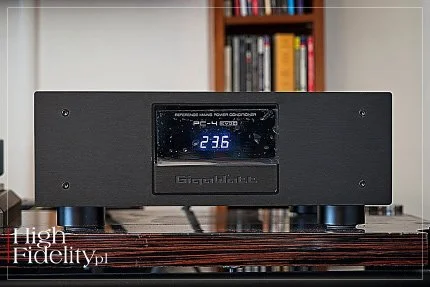
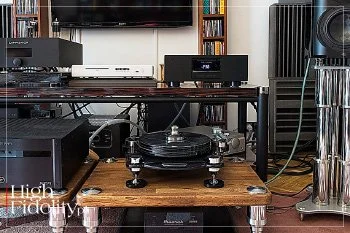
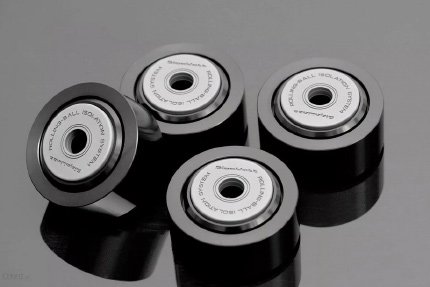
GigaWatt PC-4 EVO+ - Highfidelity.pl
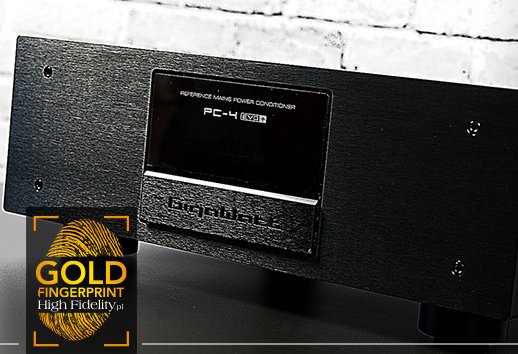
“I’VE STATED THIS MANY TIMES - I am not a fan of the super-audiophile, meaning: highly analytical, hyper-precise, revealing every weakness of every recording presentations. I am looking for a sound that reminds me of the one I know from live performances - with its high energy, being engaging, invigorating and seductive. The GigaWatt PC-4 EVO+ ‘21 brought the sound of both my and the alternative system closer to the expectations defined in this way.
It provided excellent dynamics and control of a highly resolving, energetic, but also saturated, smooth and fluid sound. With each good recording, it allowed the system to render a highly engaging, emotionally rich musical spectacle, at the same time ensuring that even a picky, demanding audiophile with other than my expectations had nothing to complain about.
Long story short: the flagship GigaWatt is the best conditioner I have had contact with, it is simply a top class product! So no matter how high-end your system is, the PC-4 EVO+ ‘21 will be a good, and in many cases even the best possible choice. And it is Made in Poland! Hence there is no choice but to award it with the ˻ GOLD FINGERPRINT
”
Full review here
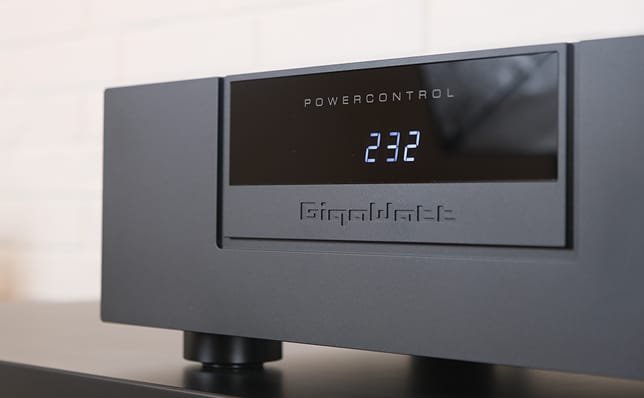
GigaWatt PowerControl - HiFi Class review
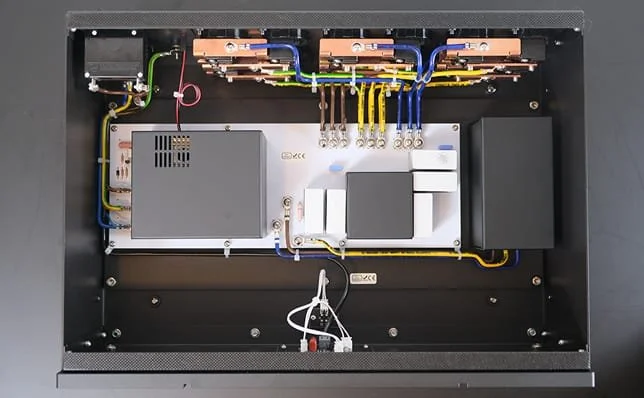
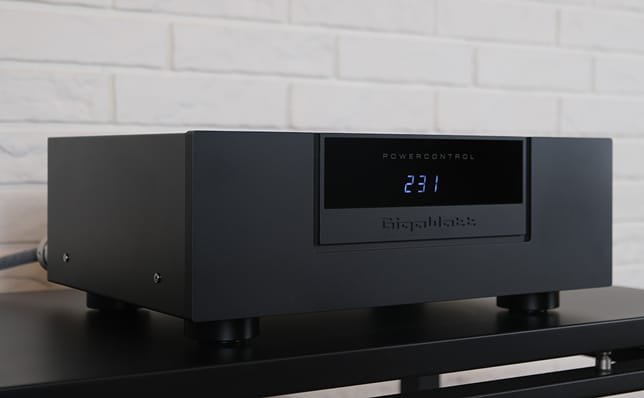
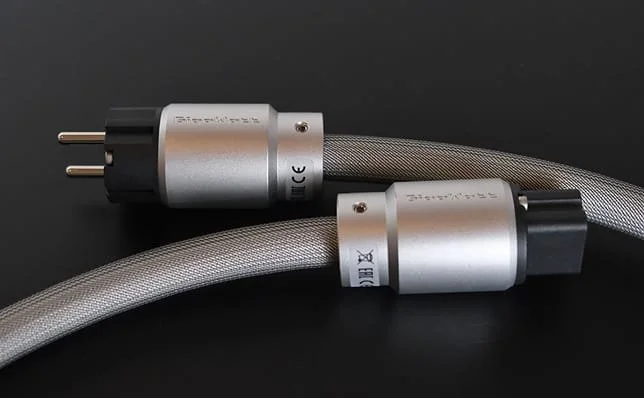
“On the one hand, PowerControl is a full-blooded conditioner that will protect the components connected to it, eliminate the DC component of the current and provide adequate current efficiency for almost any set of devices, including most amplifiers. On the other hand, it will ensure that the recordings are high fidelity, which can be heard perfectly with all audiophile recordings, but also with less well-made recordings, it will make us listen to them with real pleasure, focusing on impressions, emotions and artistic value instead of the sound as such. ”
Full review can be found here